Why choose film photography in 2025?
In a world saturated with instant images, analog photography embodies a return to deliberate gesture and authentic texture. Through patience, alchemy, and precision, it transforms each shot into a tangible work of art. At Studio Baxton in Brussels, this philosophy guides every training session, print, and workshop: slowing down to see more clearly.
1. Analog photography: a sensory and artistic experience
Analog photography is not just a technique — it’s a complete experience.
From the choice of film to development in the darkroom, each step engages the photographer physically and mentally.
We manipulate the light, we wait, we slowly discover the image… a true visual alchemy that contrasts with the speed of digital.
This process gives new meaning to each image: we think more about the composition, the light, the moment.
Each triggering action becomes an intention, not a burst of fire.
2. The unique charm of grain and silver tones
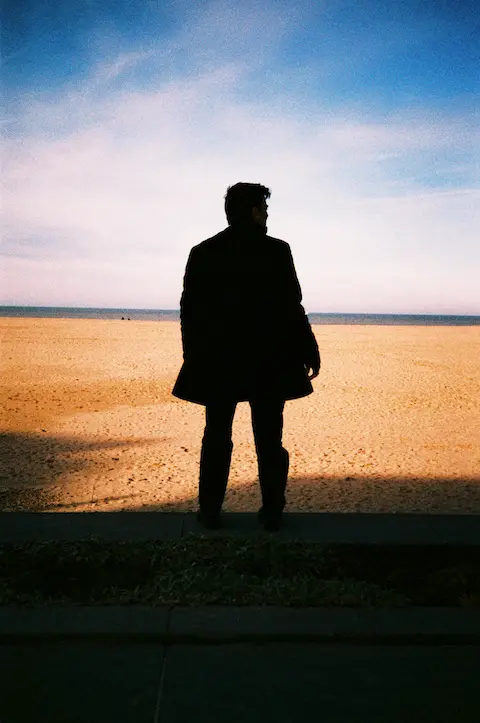
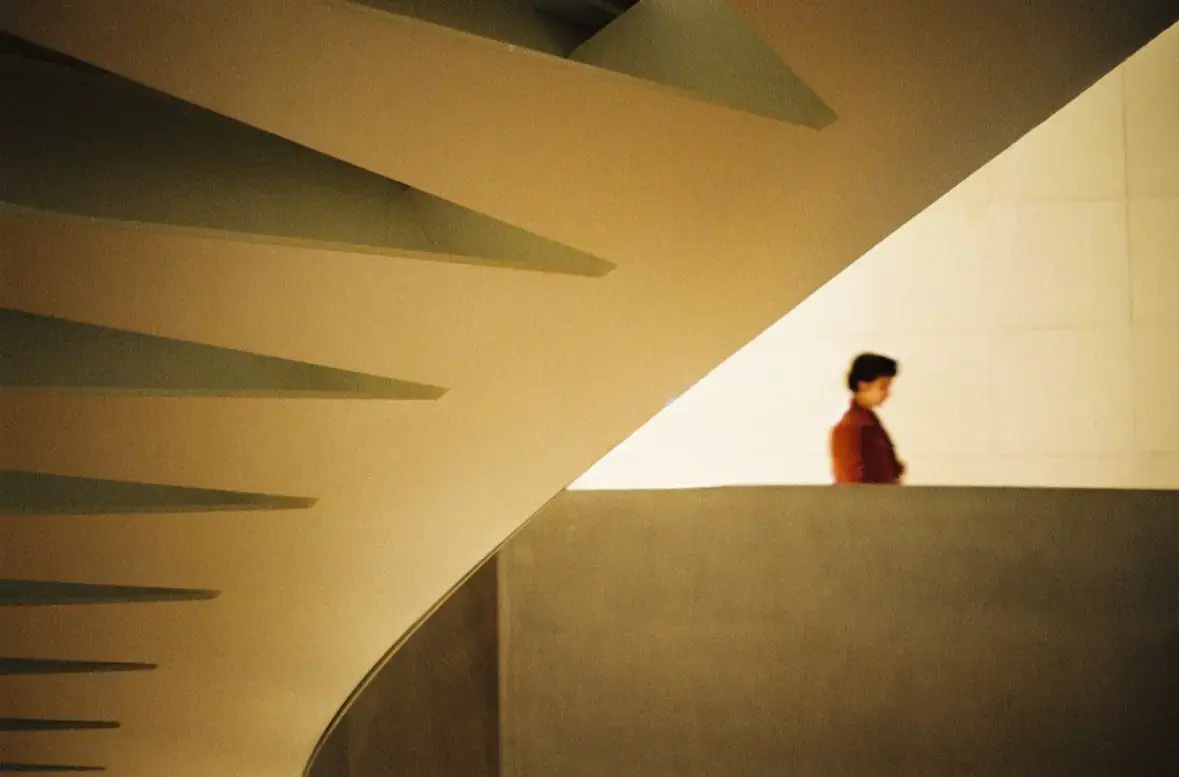
No application or filter can perfectly imitate the look of analog film.
The grain, the light transitions, the subtle imperfections give each photo a unique soul.
Whether it's on color film like Kodak Ultramax 400 or in black and white with Kentmere 400, each film tells its own story.
It is this organic dimension that attracts a new generation of photographers — both amateur and professional — in search of a more vibrant, more human rendering.
3. Learning about time and light
Film photography is also about relearning patience.
Wait for the right moment.
Working within the limitations of the equipment.
View the images after development.
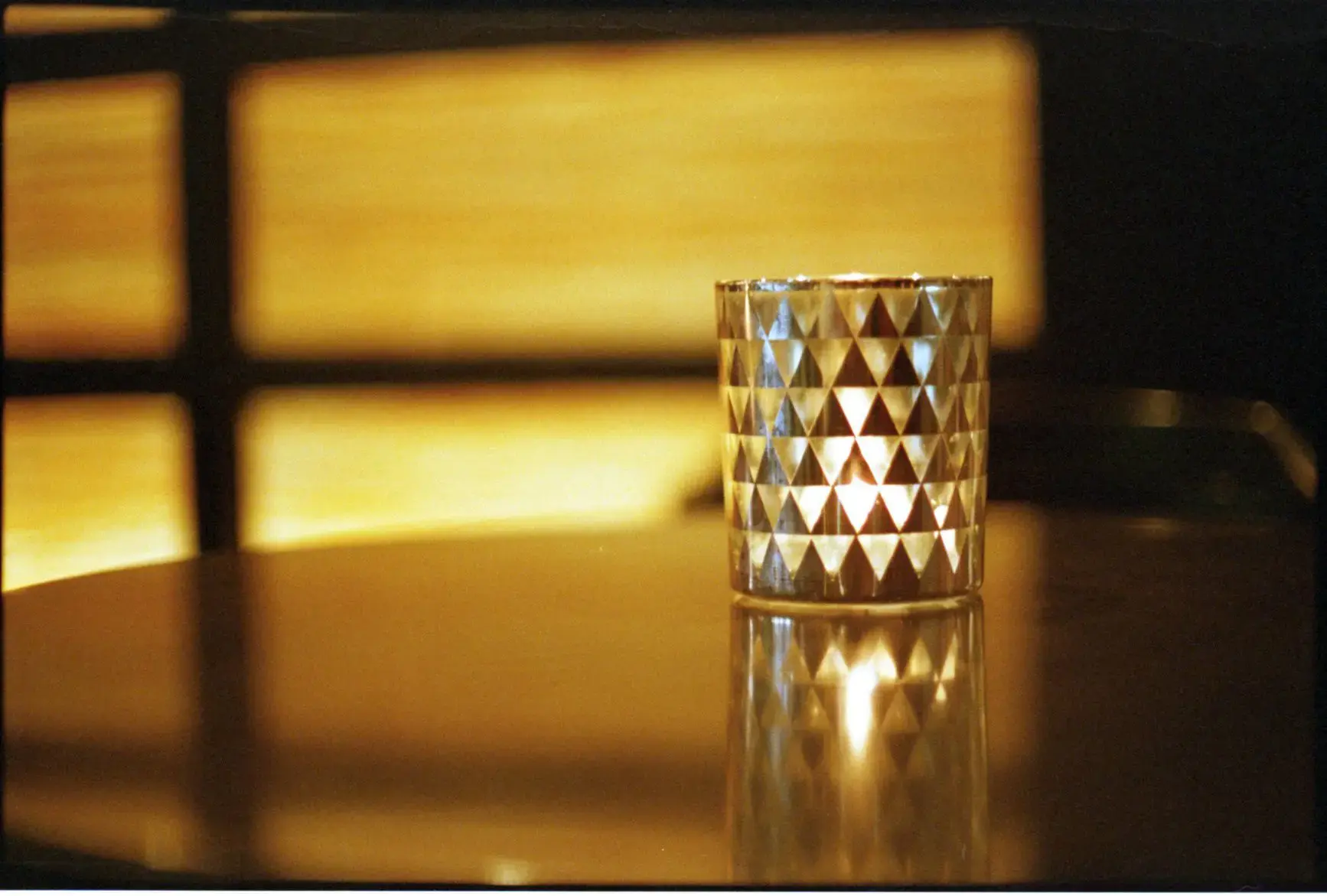
At Studio Baxton in Brussels, this slow approach becomes a school of seeing: one learns to observe light, to understand matter, to seize the right moment.
It's a visual meditation, an antidote to digital saturation.
4. A lasting and tangible art
In an age of all things digital and overconsumption of images, analog photography invites us to return to the material.
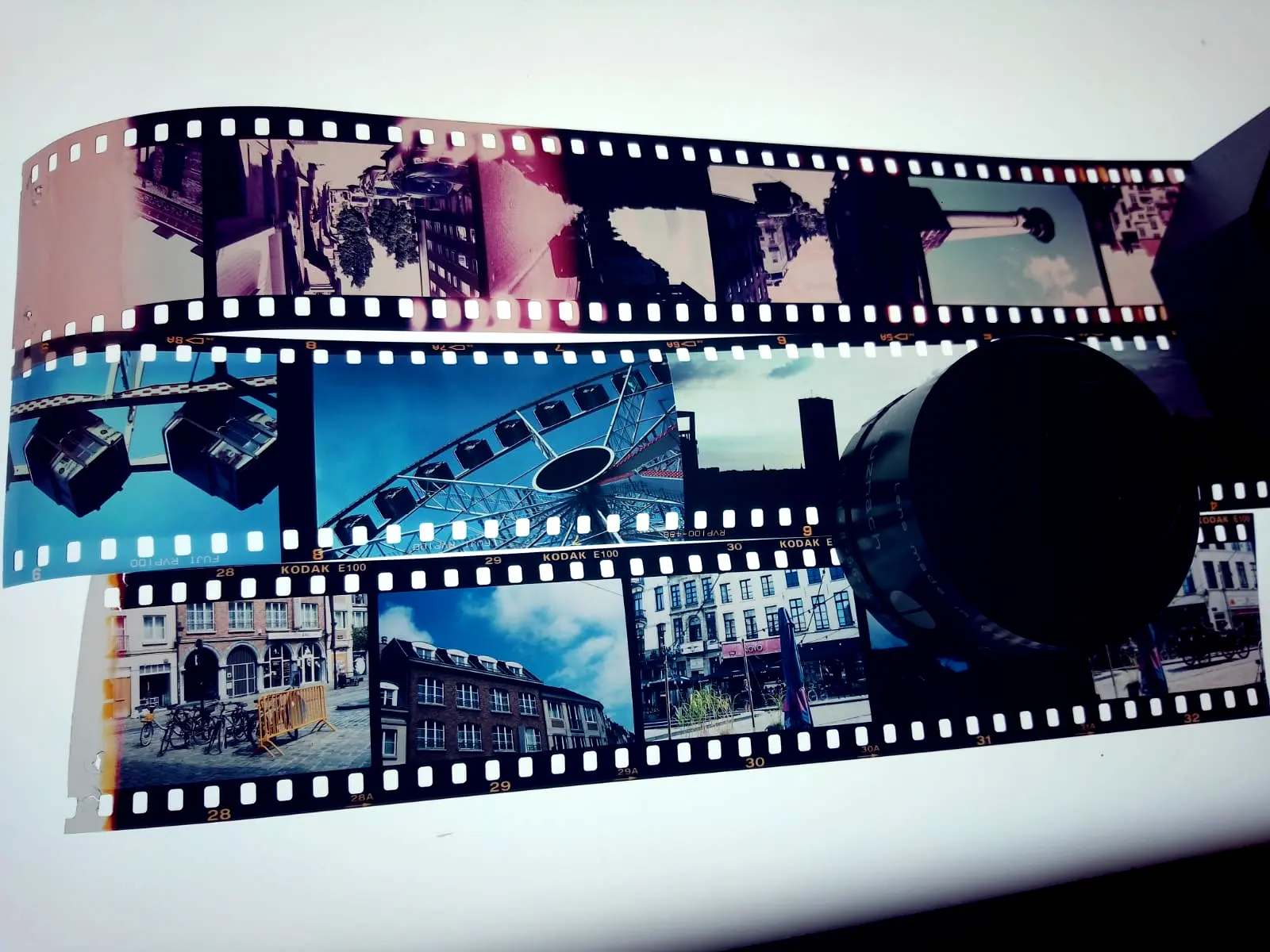
Negatives are physical, durable objects that can be printed, displayed, and archived.
Each photo becomes a memory that we touch and keep, far from the obsolescence of hard drives and screens.
The silver gelatin print retains an incomparable depth — a dense black and white, an almost tactile texture, a real presence.
5. The creative possibilities of film
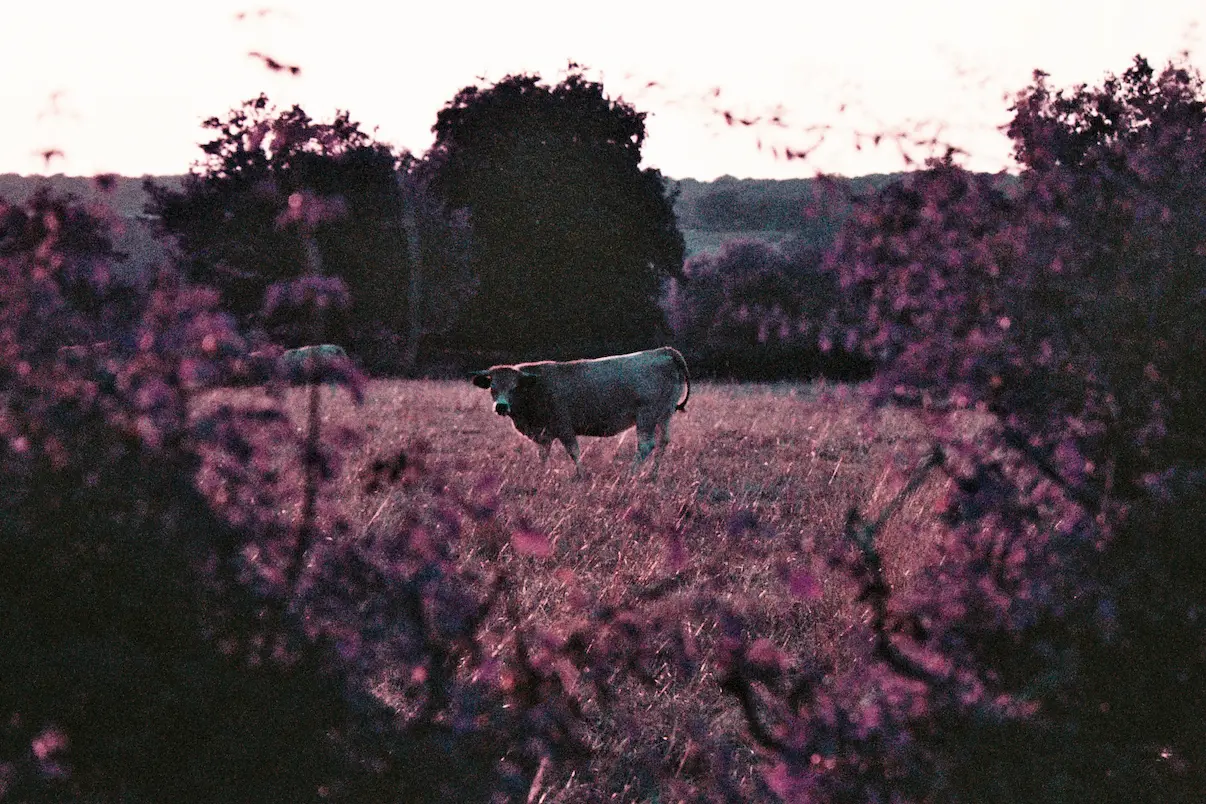
🔴 Redscale
Principle: expose the film upside down (through the base, not the emulsion).
Effect: images dominated by red, orange, and yellow tones, with a soft contrast.
Tip: Underexpose the film by 1 to 3 stops (e.g., ISO 400 → ISO 100) for more intense hues.
Ideal for: artistic portraits, urban landscapes at sunset.

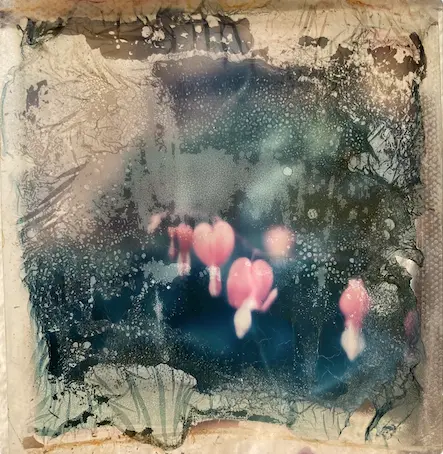
🧪 Film Soup
Principle: to “cook” the film (before development) in a mixture of chemical or natural liquids (lemon, soda, coffee, detergent, wine…).
Effect: random colors, light leaks, organic textures, and surreal stains.
Be careful:
- Allow the film to dry completely after the bath before developing it.
-
Handle with care (some substances can damage the film or the lab).
Ideal for: experimental projects, abstract effects, visual collages.
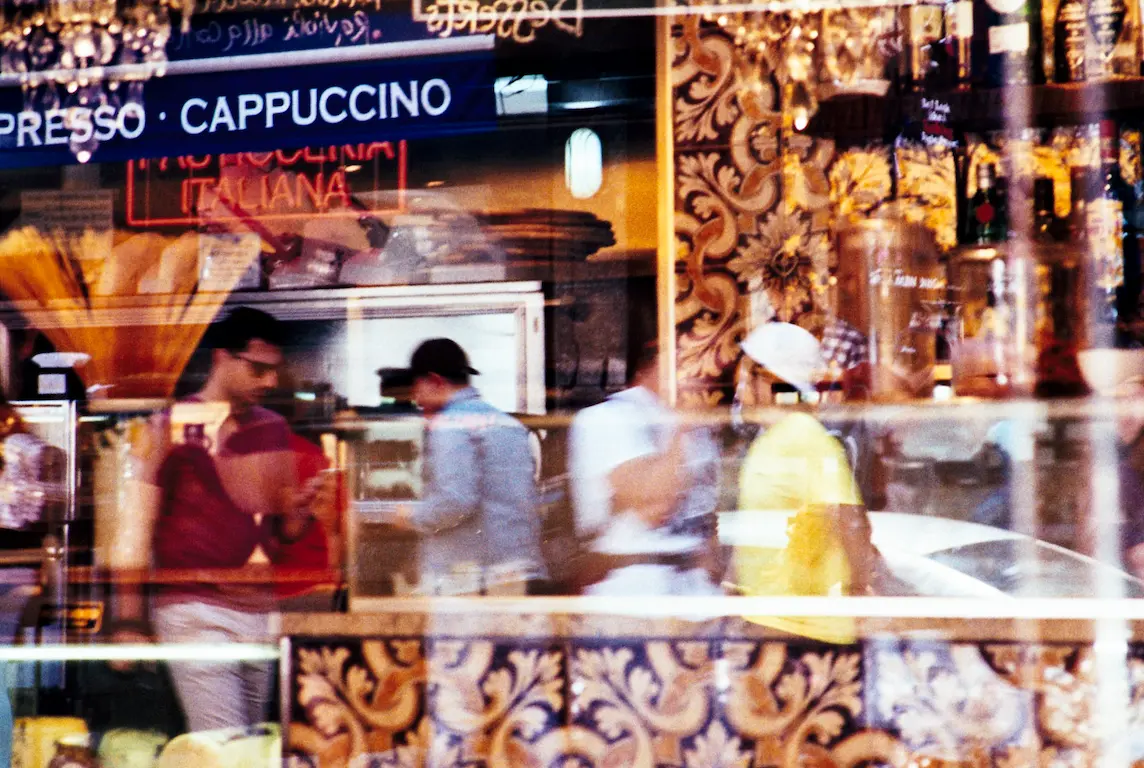
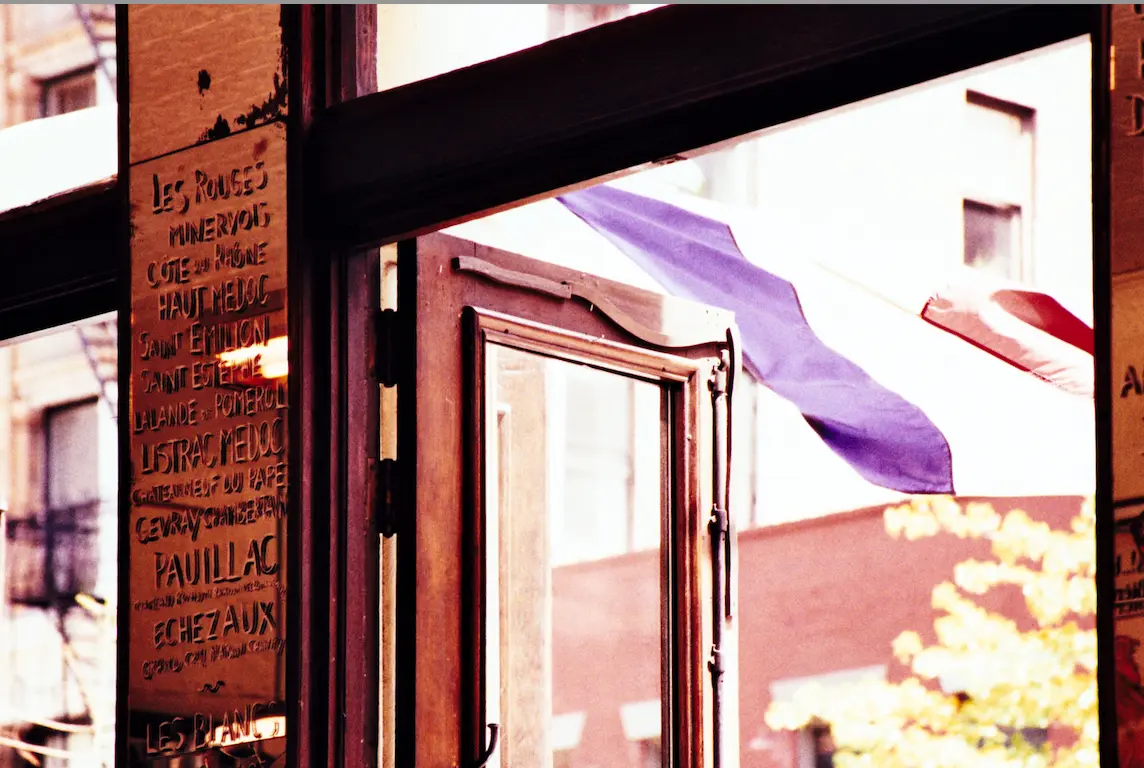
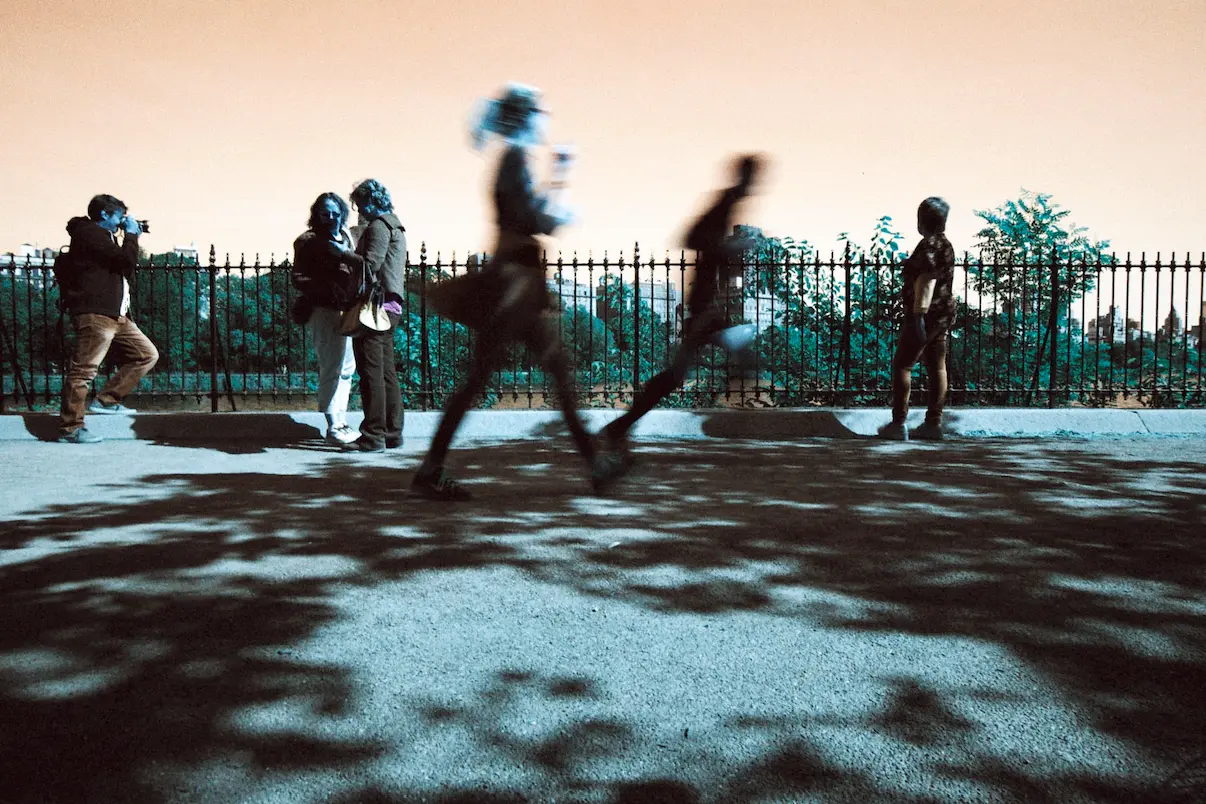
🌈 Cross Processing
Principle: developing a slide film (E6) in a C-41 chemistry (or vice versa).
Effect: extreme saturation, shifted hues (acid greens, deep blues, powerful reds), high contrast.
Ideal for: fashion, urban photography, concerts, psychedelic atmospheres.
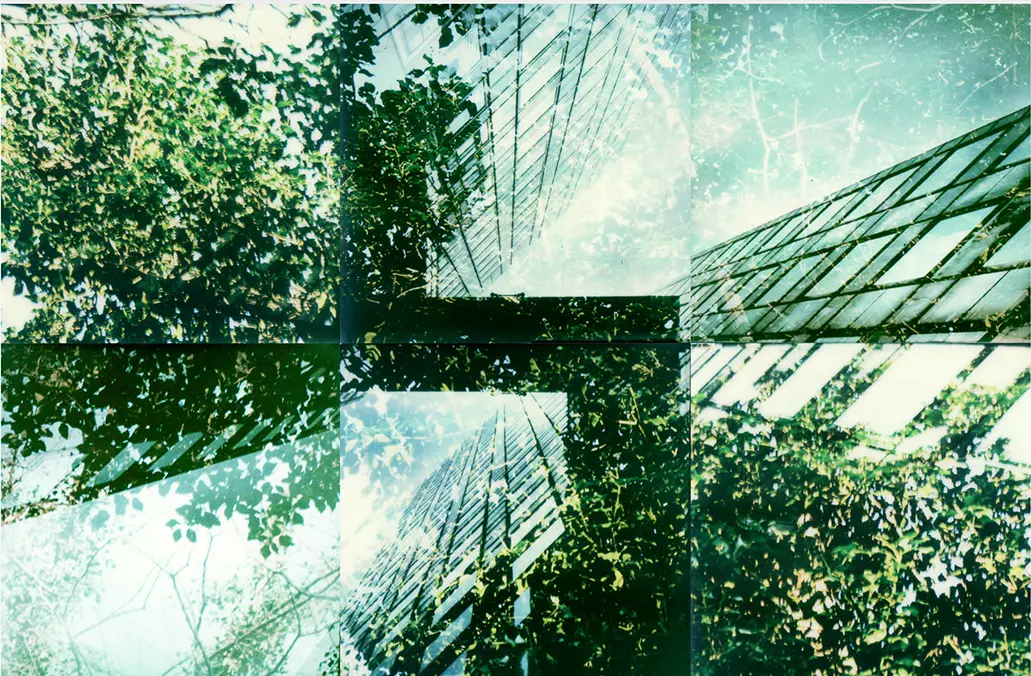
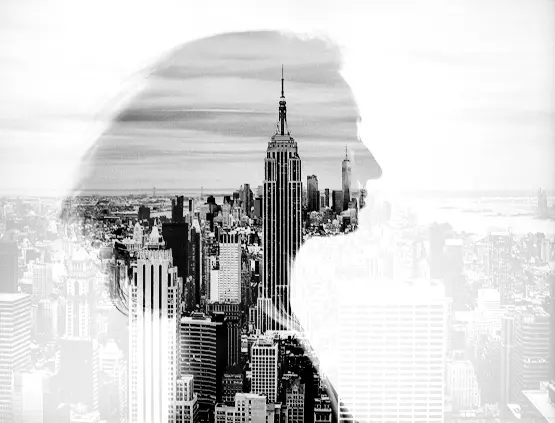
💡 Double exposure
Principle: to expose the same film two (or more) times without advancing it completely.
Effect: image overlay, visual illusions, ghosts, narrative effects.
Technically :
- Some cameras (like the Nikon FM2 or Canon AE-1) allow for manual double exposure.
- Alternatively, you can partially rewind your film and carefully reload it. Ideal for: portraits and landscapes, transparency effects, and poetic effects..
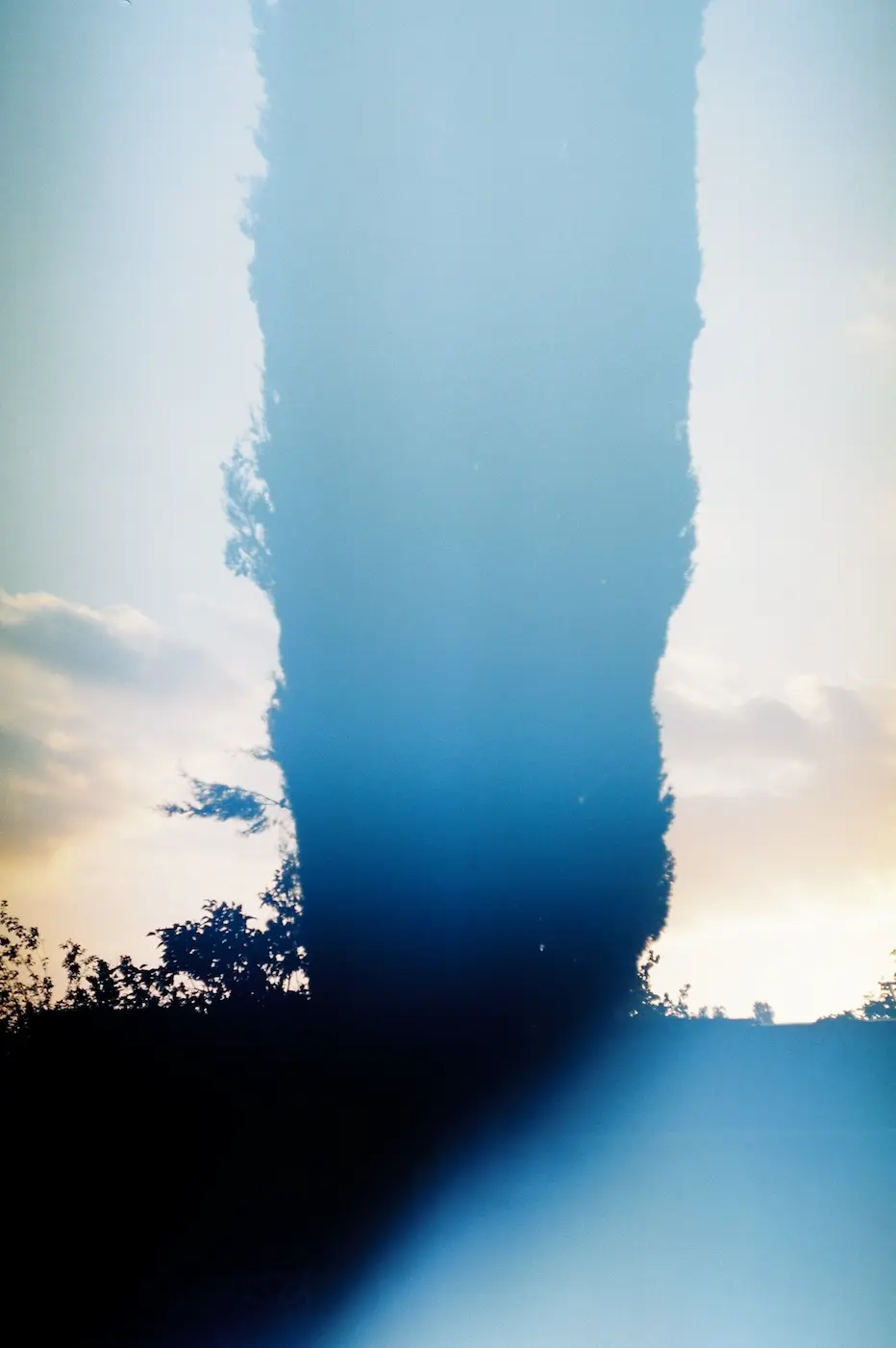
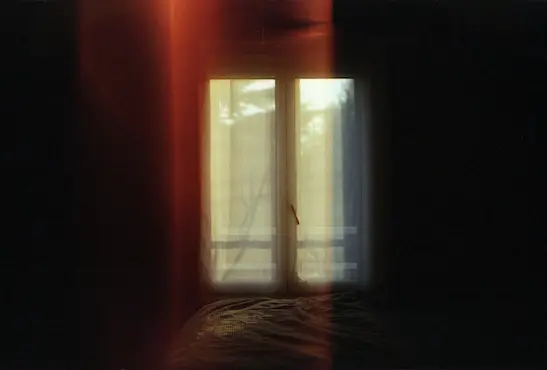
🌫️ light leaks
Principle: to allow a little light to pass into the chamber or the film cartridge.
Effect: red/orange bands, luminous halos, vintage and unpredictable effects.
Method :
-
Use a slightly "worn-out" camera, or very slightly open the camera body's access door between shots (be careful!).
Ideal for: retro look, visual storytelling, accidental artistic touches.
☕ Caffenol (alternative development)
Principle: developing a film with a homemade mixture of instant coffee, vitamin C and soda.
Effect: soft, slightly sepia tone, medium contrast.
Advantage: 100% ecological, economical and doable at home.
Ideal for: black and white experiments, eco-friendly projects.
🧊 Exposure Push & Pull
Principle: expose a film to a sensitivity different from that intended, then adjust the development..
Effect :
- Pushing (+1 or +2 stops) → strong contrast, accentuated grain.
- Pulling down the exposure (-1 or -2 stops) → softer image, smoother midtones. Ideal for: adapting to available light, creating a specific aesthetic.
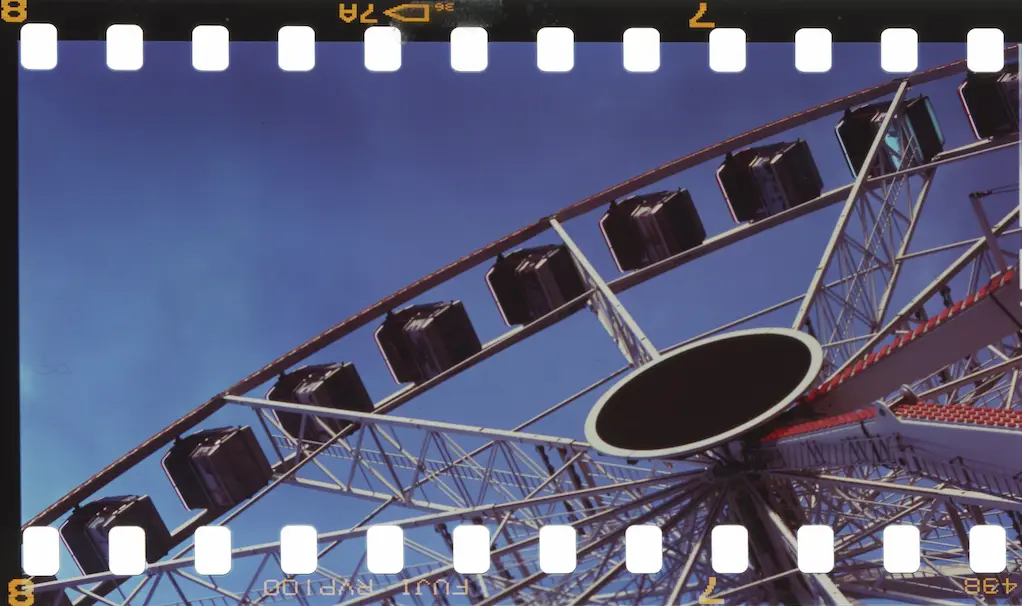
🪞 Reversed or homemade films
Principle: experiment with expired, reversed or reloaded films in unusual cartridges.
Examples :
- Utiliser un film cinéma 35 mm (ECN-2) dans un appareil photo classique.
- Load a 120 film cut into a 35mm cartridge. Effect: unpredictable, sometimes "cinematic" textures and colorimetry..
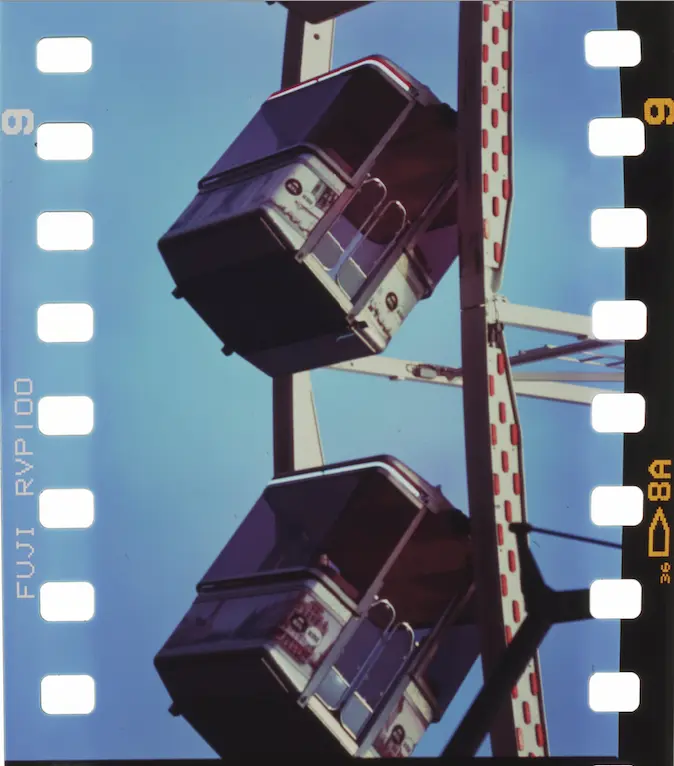
🔵 Solarization
Principle: briefly expose the paper or film to light during development.
Effect: partial inversion of tones, luminous outlines, surreal rendering.
Ideal for: experimental darkroom printing.
💫 Experimental films and independent artists
Many independent manufacturers now offer pre-treated or altered films. :
- Revolog (lightning effects, bubbles, textures).
- Lomography (Redscale XR, Metropolis, Turquoise, Purple…).
- Yodica or Dubblefilm (tinted or pre-solarized films).
Advantage: accessible without technical manipulation, each film already having a unique look
6. Brussels, a crossroads of contemporary analog photography
The Belgian capital is witnessing the rebirth of a genuine analog photographic culture..
Laboratories, galleries and photo studios like Studio Baxton are actively participating in this movement.
Here, we share a passion for film, manual development and fine art printing.
Brussels is becoming a meeting point between tradition and modernity, where the beauty of craftsmanship and the pleasure of creating with one's hands are being rediscovered.

Conclusion: Film photography, a meaningful choice
Choosing film photography in 2025 means choosing to slow down, to feel, and to rediscover the magic of reality.
It's also about joining a passionate community, where every image has weight, texture, and a story.
At Studio Baxton, we believe that photography is seeing differently — it is giving time to light so that it becomes memory.
See our customized film photography training courses