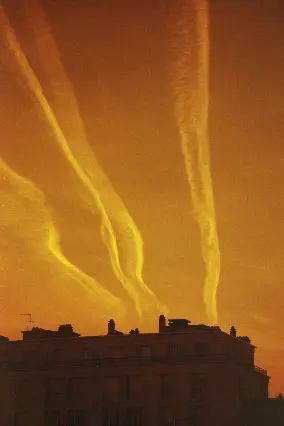
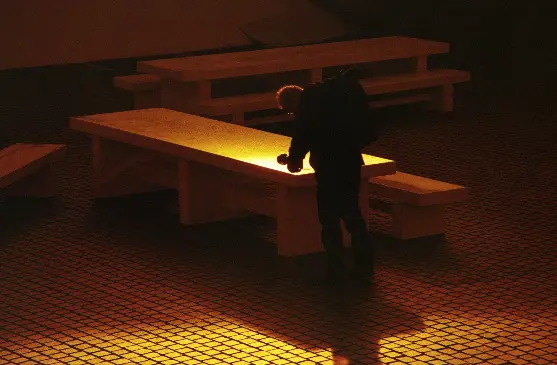
🎞️ What is redscale?
Normally, a color film is exposed from the emulsion side (matte side).
In redscale, the film is exposed upside down, through its base layer (the back, shiny side).
The result: light passes through the layers in reverse order (red → green → blue), creating an image dominated by reds and yellows, with soft contrasts and a warm atmosphere..
🧰 Materials needed
- A standard (35mm) color negative film.
- An empty take-up reel (used film that you rewound).
- A darkroom or loading bag (essential).
- A piece of adhesive tape.
- (Optional) A marker to write “REDSCALE” on the cartridge.
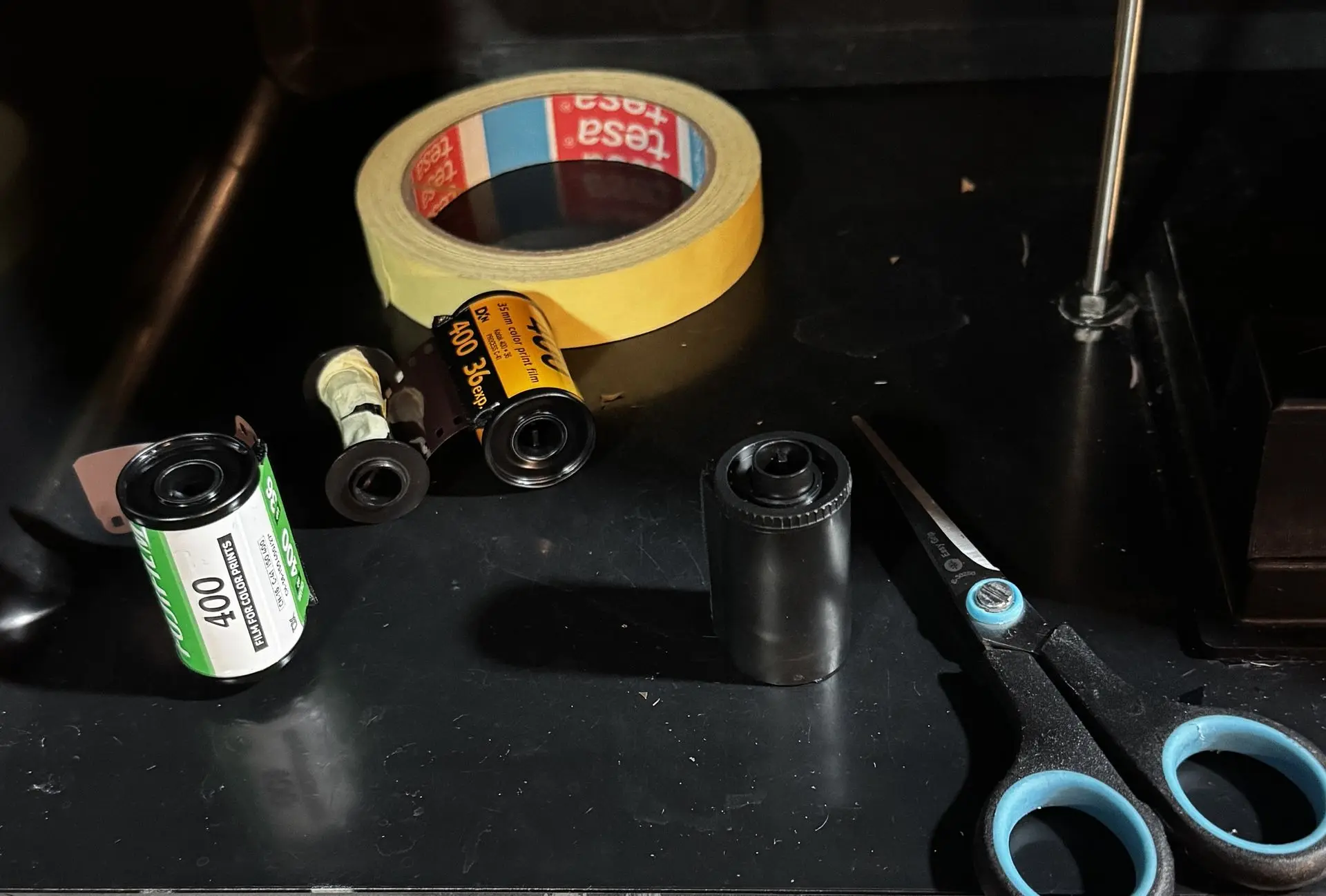
🔄 Redscale film manufacturing steps
- Prepare your space in complete darkness (or the charging bag)..
- Take your new film (e.g., Kodak Ultramax 400) and your empty roll.
-
Stick the end of the new film to the empty reel, but upside down. :
- Normally, you wind the emulsion upwards..
- There, you need to do it emulsion-side down, so that it's exposed from the back..
- Rewind the entire film onto the empty reel.
- Seal and label the new cartridge (“Redscale – ISO 100” e.g.).
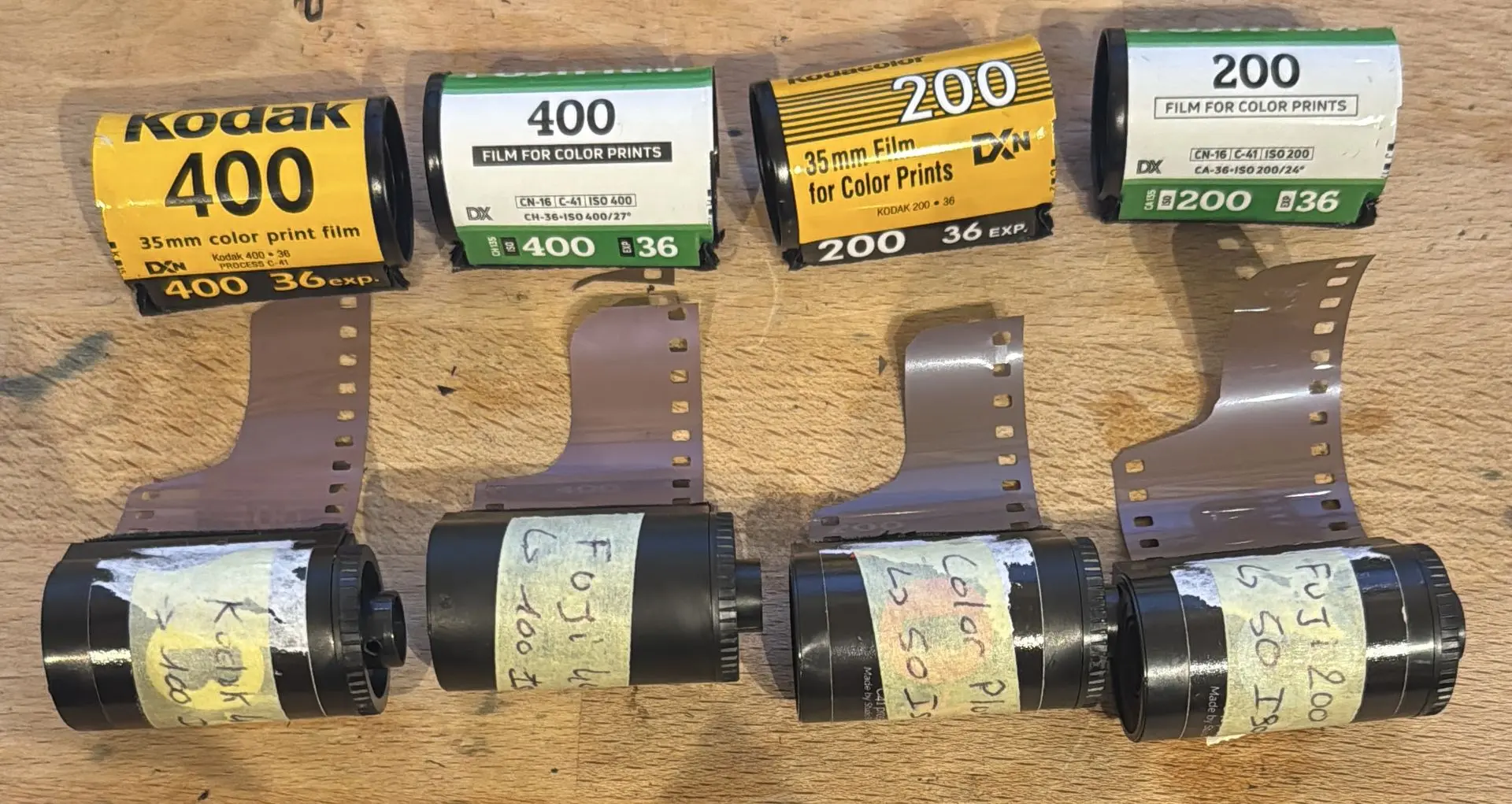
🌡️ Exposure setting
Redscale tends to lose a lot of light due to the film's base..
👉 Compensate by underexposing by 1 to 3 stops depending on the desired effect :
| original snsibility of the film | Recommended sensitivity in redscale |
| ISO 400 | ISO 100 |
| ISO 200 | ISO 50 |
| ISO 100 | ISO 25 |
- At ISO 100 (for 400 film) → intense red/orange hues.
- At ISO 200 or 400 (without correction) → softer rendering, sometimes slightly green or brown.
💡 Shooting tips
- Sunlight gives the best results.
- Shadows and interiors appear very dark (avoid scenes with too much contrast)..
- TYou can play with exposure compensation to vary the hues (more red = underexposed / more yellow = overexposed).
🧪 Development
Develop your film normally in C-41 (like a classic color film).
No special process is needed: it's just the film that's mounted backwards.
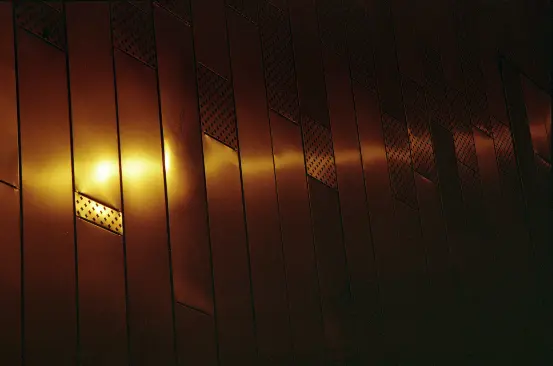
🎨 Expected result
You get images :
- dominated by red, orange, amber,
- sometimes with yellow transitions in the lighter areas,
- and an accentuated grain, which enhances the artistic effect.
Fuji 200 Redcale shot at ISO 50
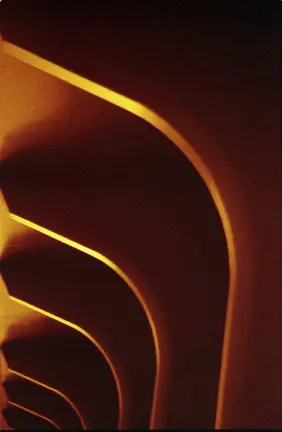
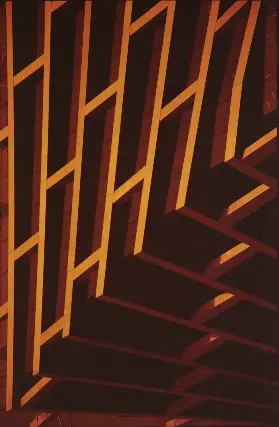
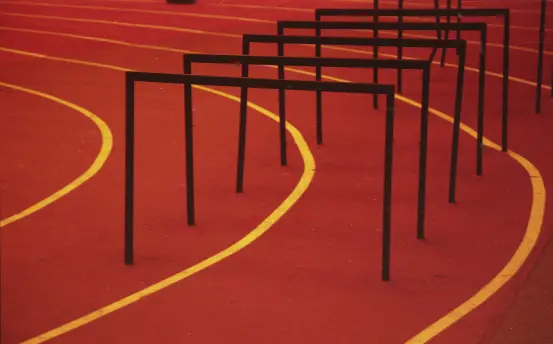
Kodak Ultramax Redscale shot at ISO 100