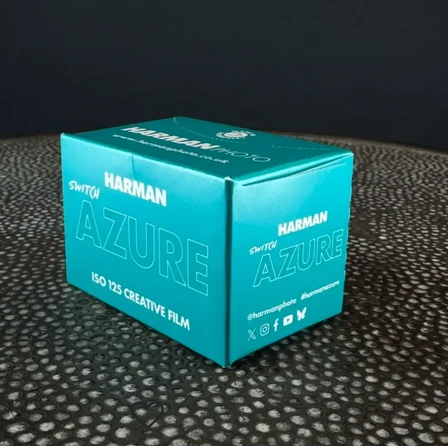
Test of the film Harman Switch Azure: an experimental film with completely wacky colours
The British manufacturer Harman Photo (known for its Ilford films) continues to innovate in analogue photography with a new atypical colour film: Harman Switch Azure.
After the success of Phoenix and Phoenix II, this new emulsion pushes visual experimentation even further. But what does this film really deliver in practice? Is it a gimmick or a genuine creative proposition?
Here is a comprehensive test based on several feedbacks from photographers and specialised sites.
Presentation of the film Harman Switch Azure
The Harman Switch Azure is a film:
🎞️ Negative colour
📷 Format 35 mm and 120
☀️ ISO 125
🧪 C-41 standard development
His positioning is clear: he is not seeking realism, but an artistic and experimental approach.
A unique concept: the "switched" colours
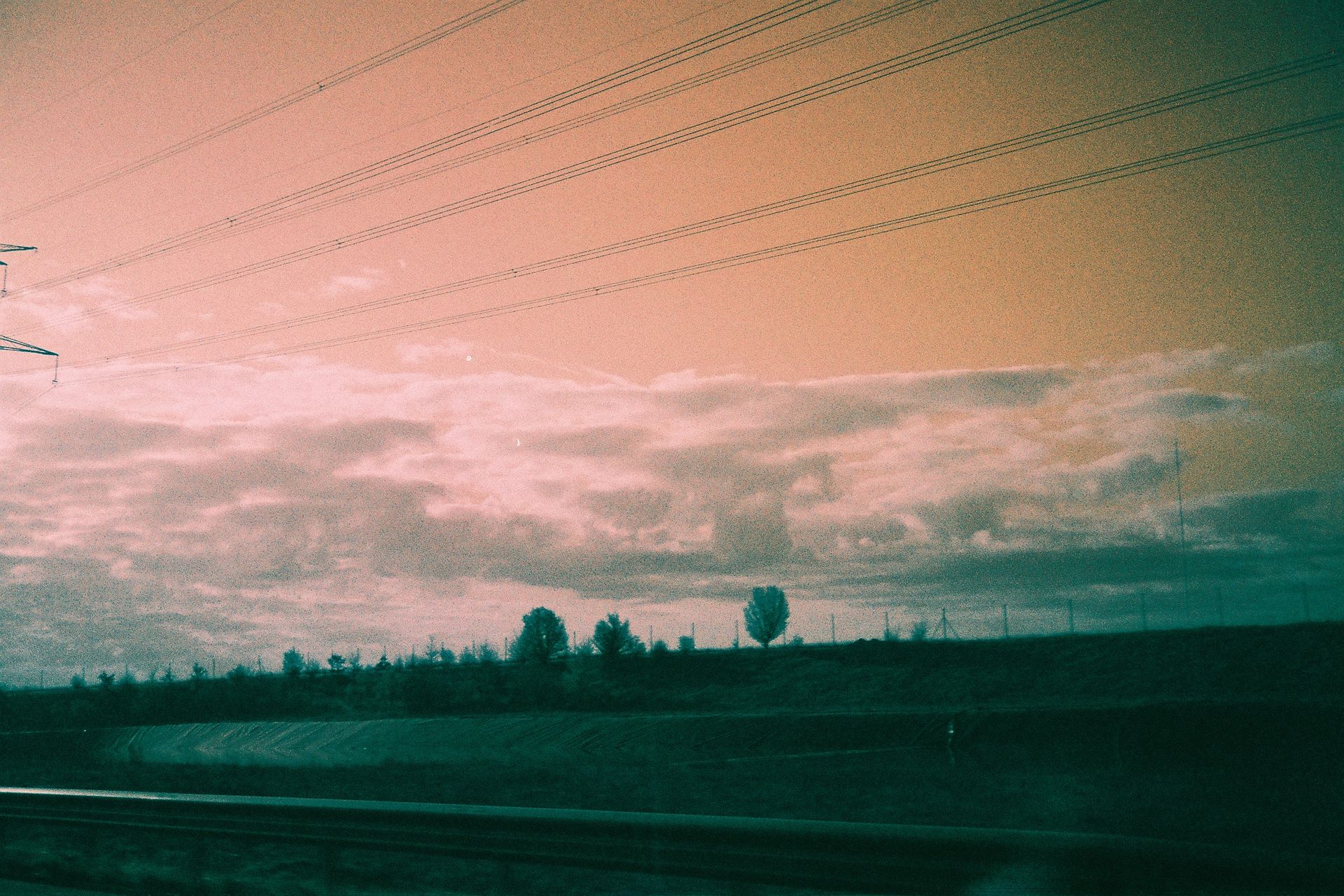
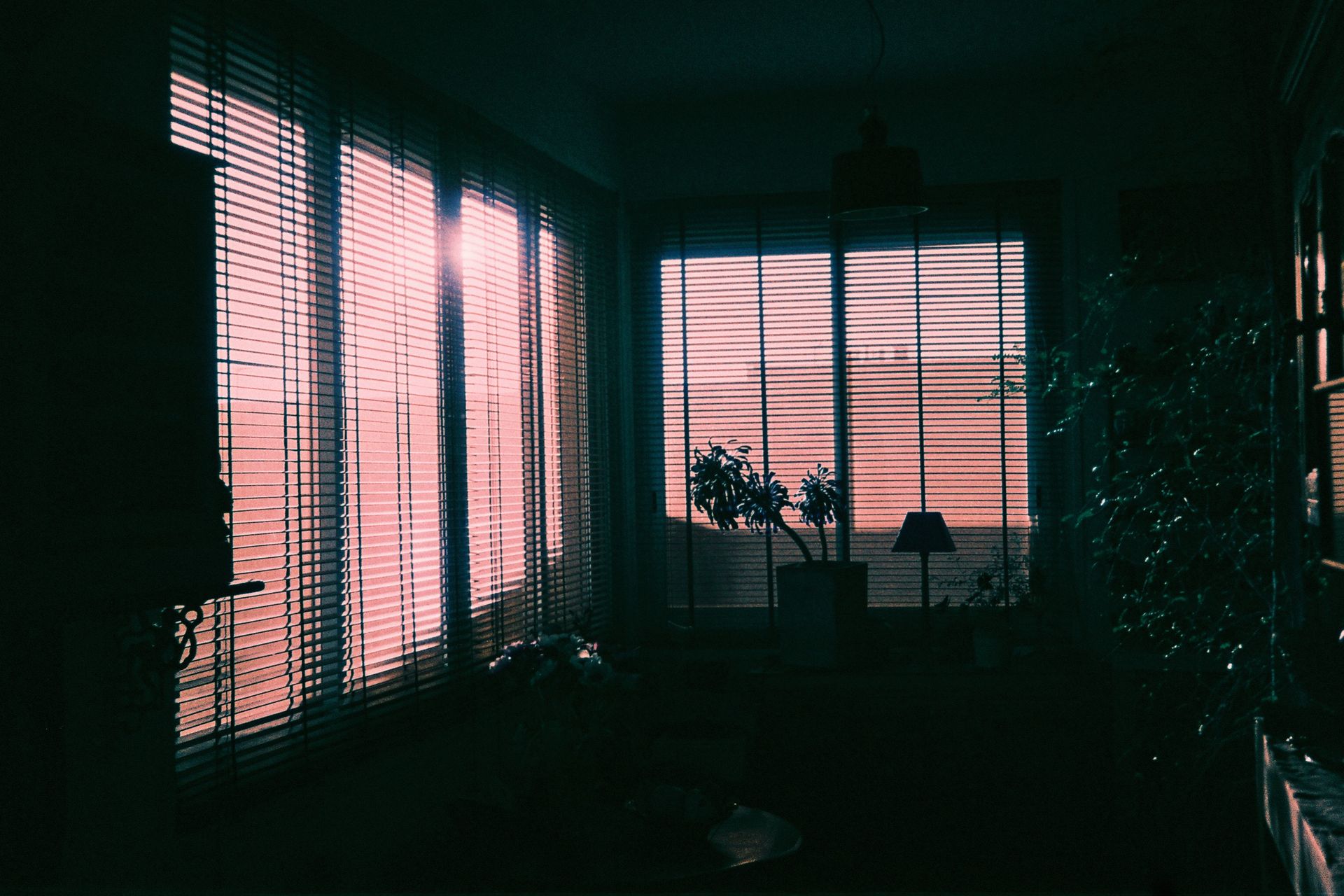
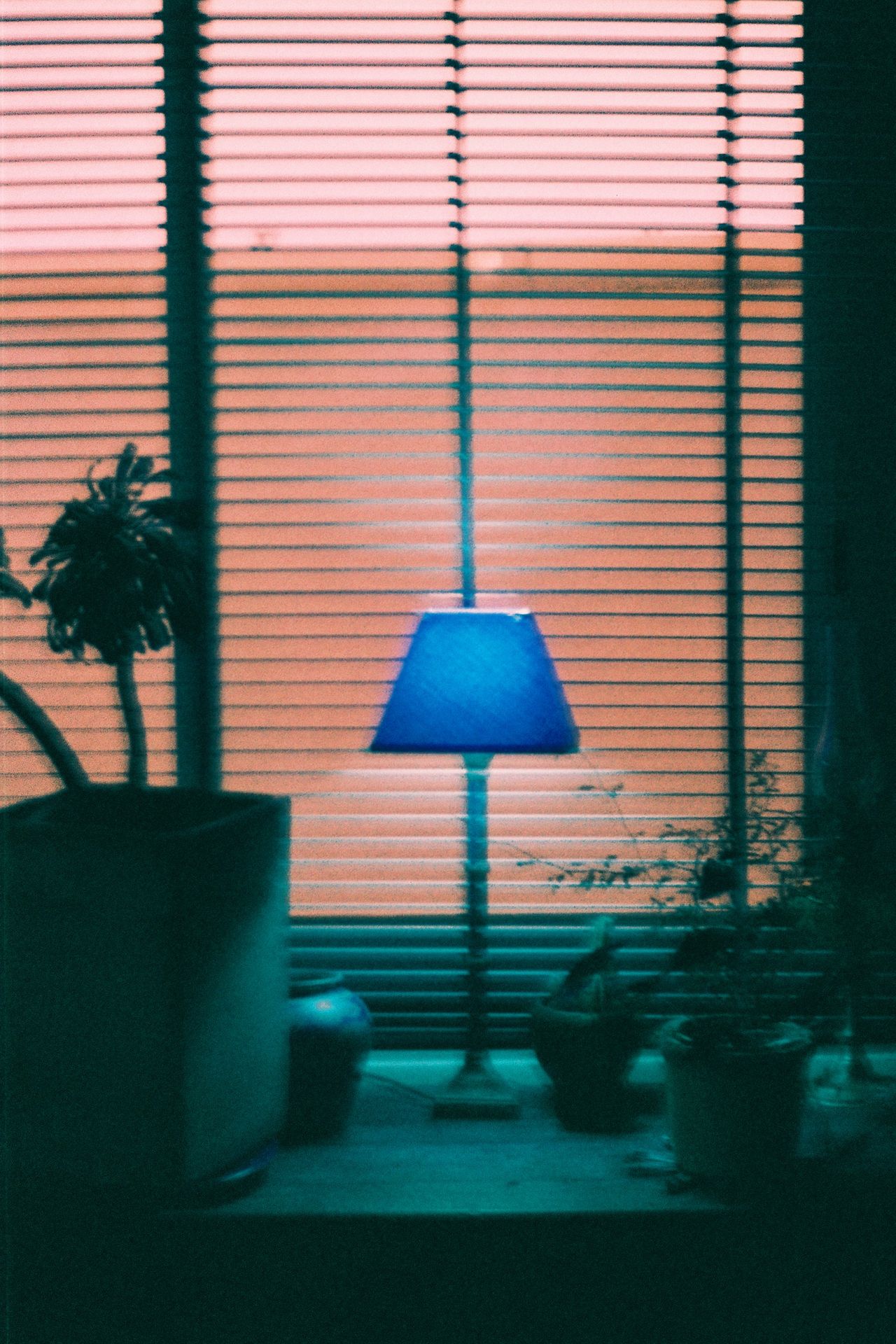
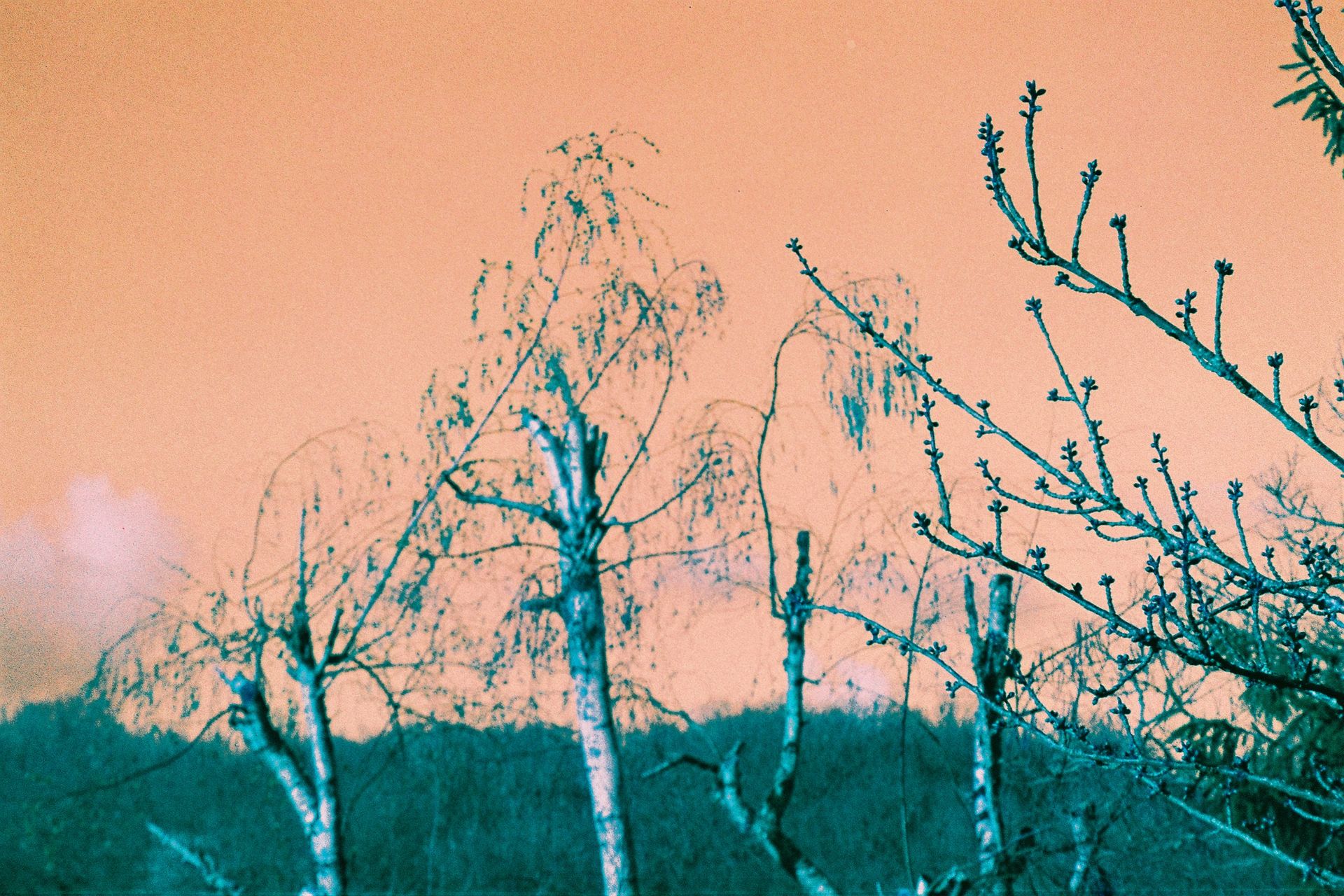
The uniqueness of the Azure Switch lies in an original chemical principle: certain layers of colour are inverted, resulting in completely unexpected renderings.
Specifically:
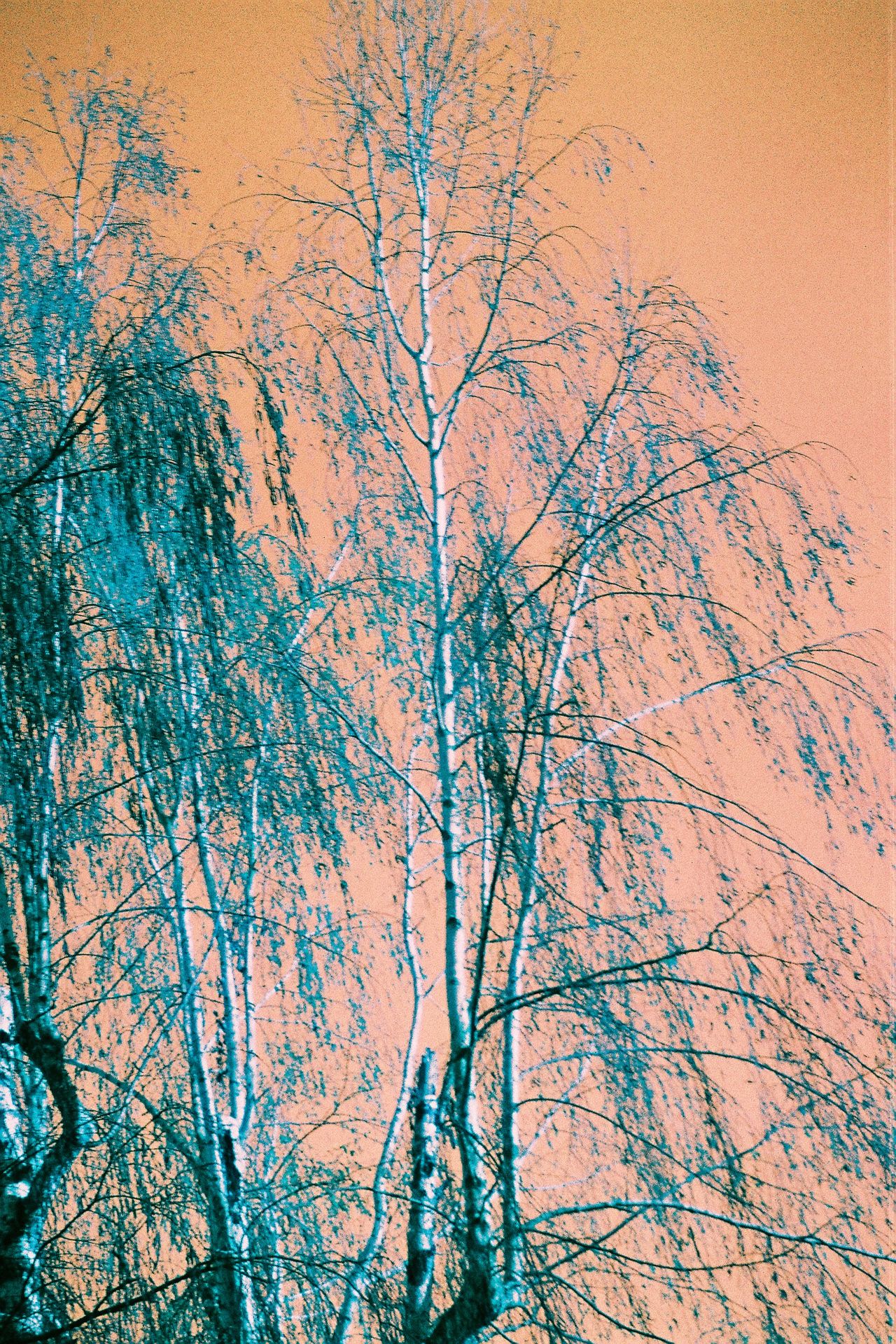
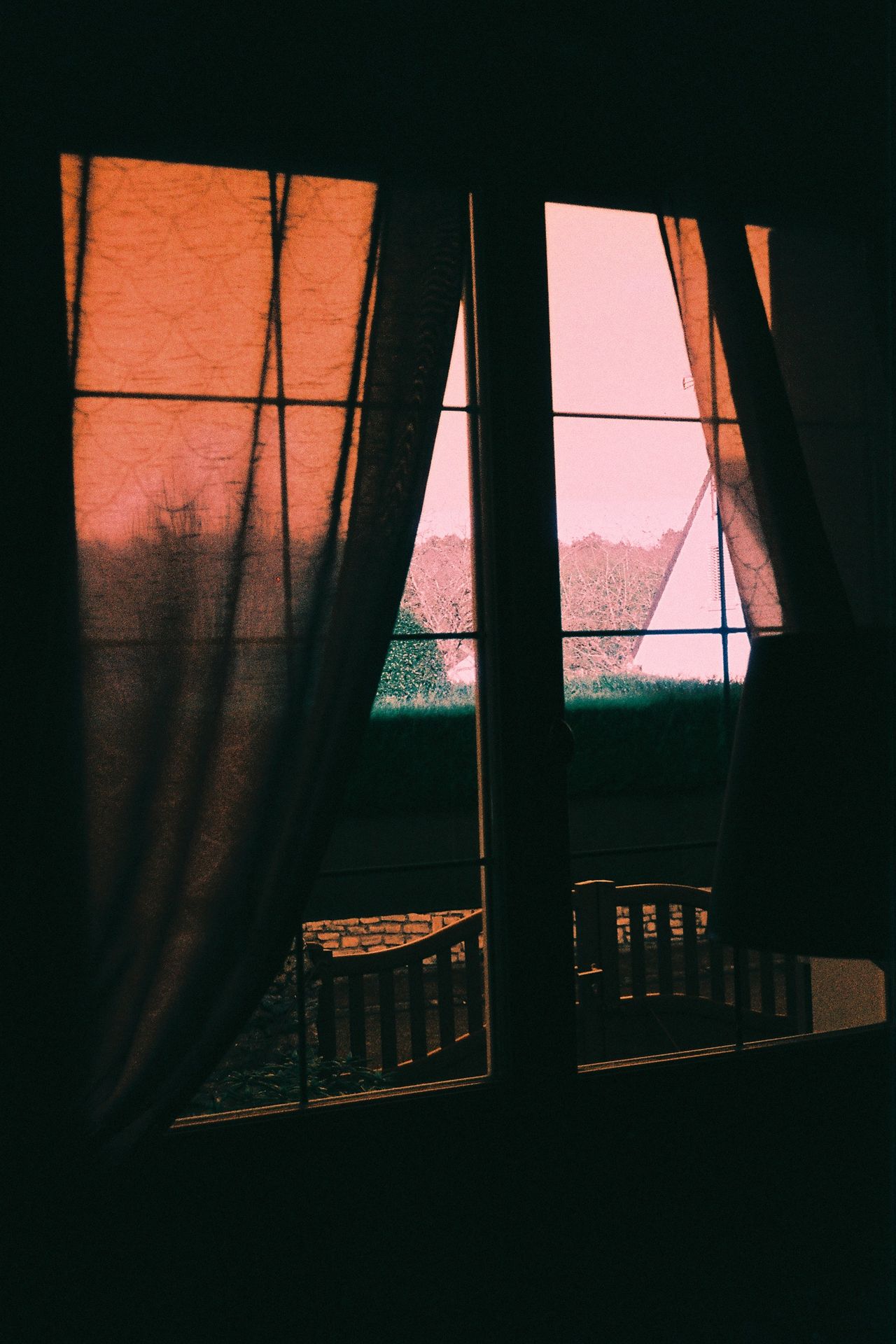
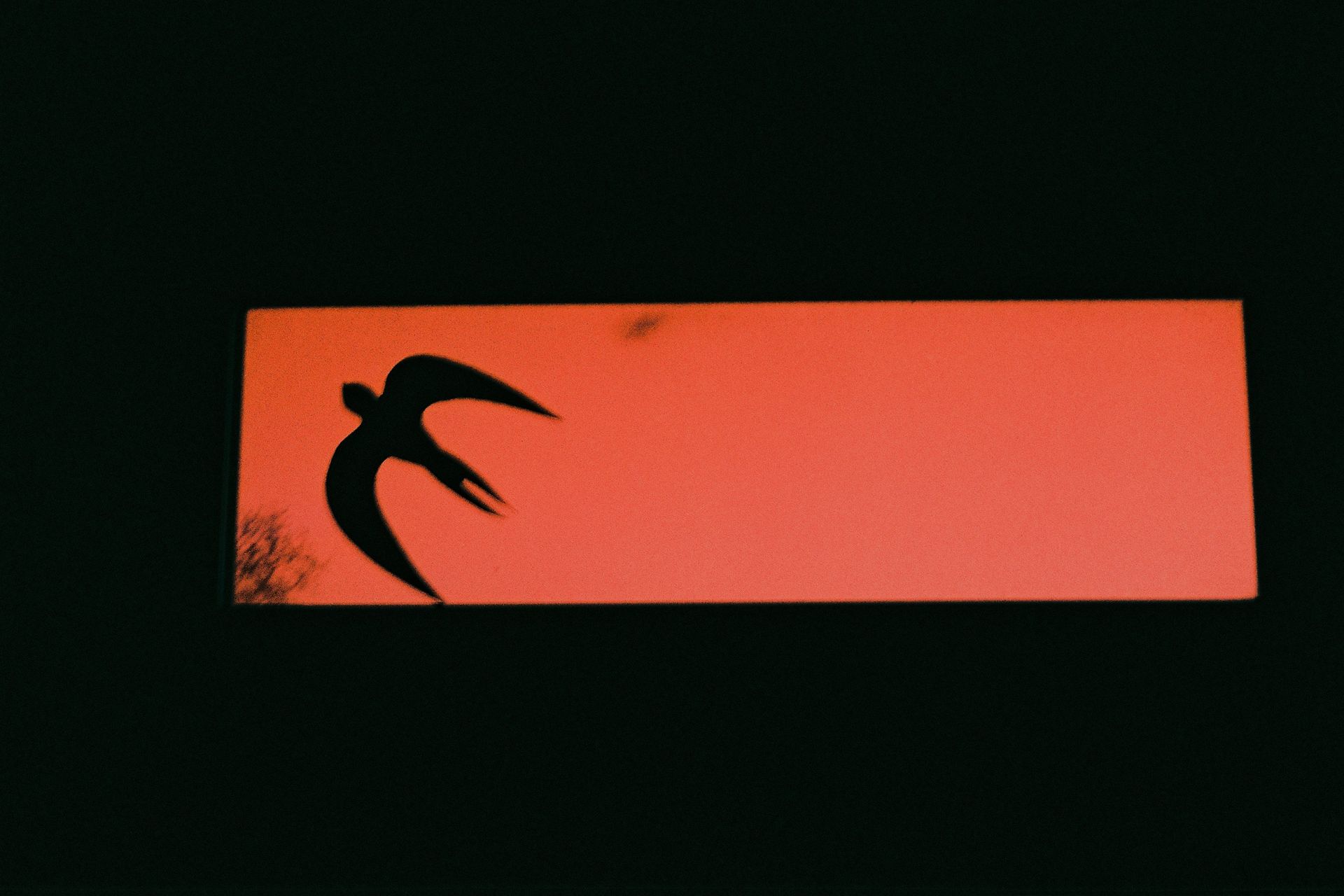
The blues become orange
The reds turned to purple
The yellows can become blues (azure)
Result: the images obtained have almost nothing to do with reality.
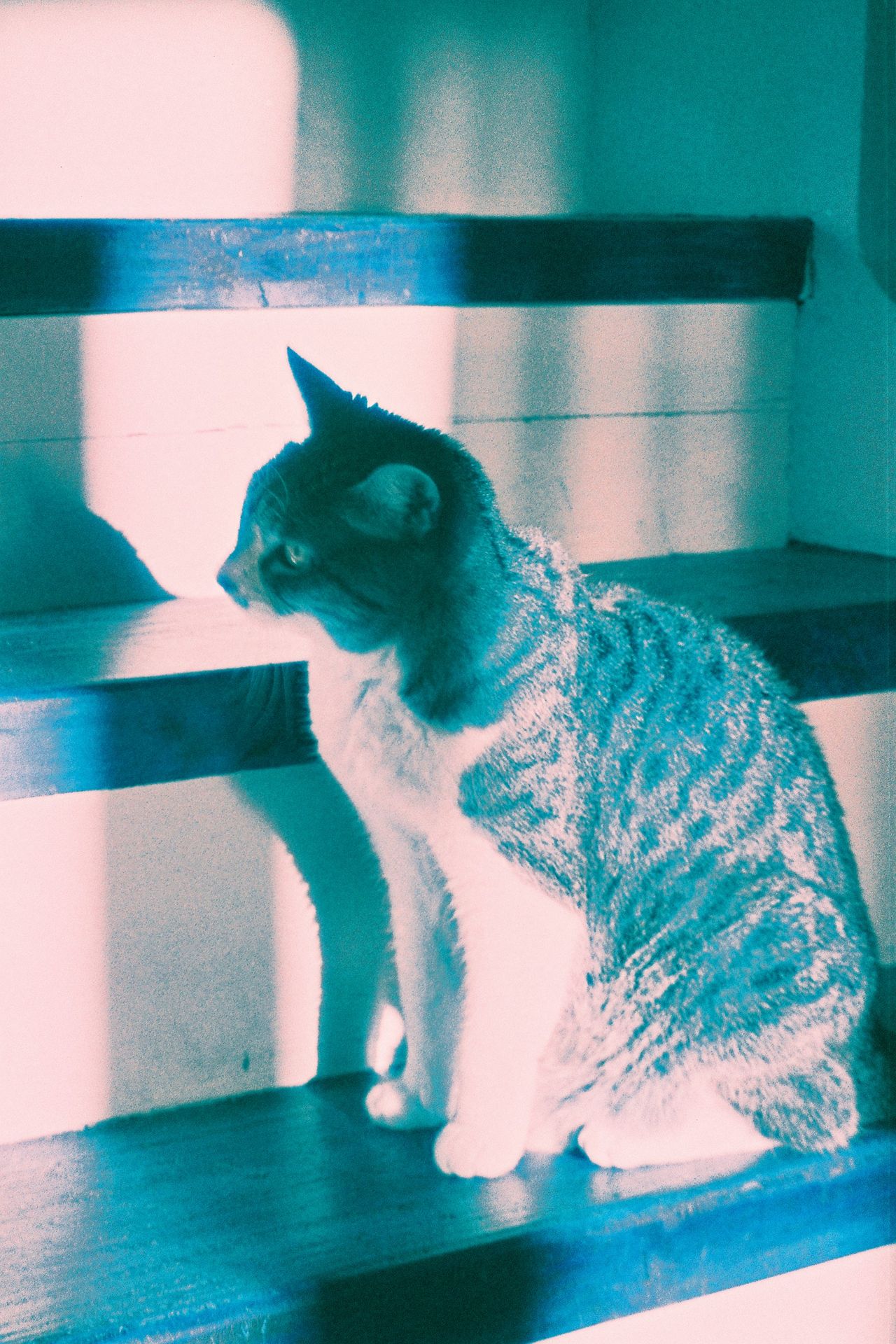
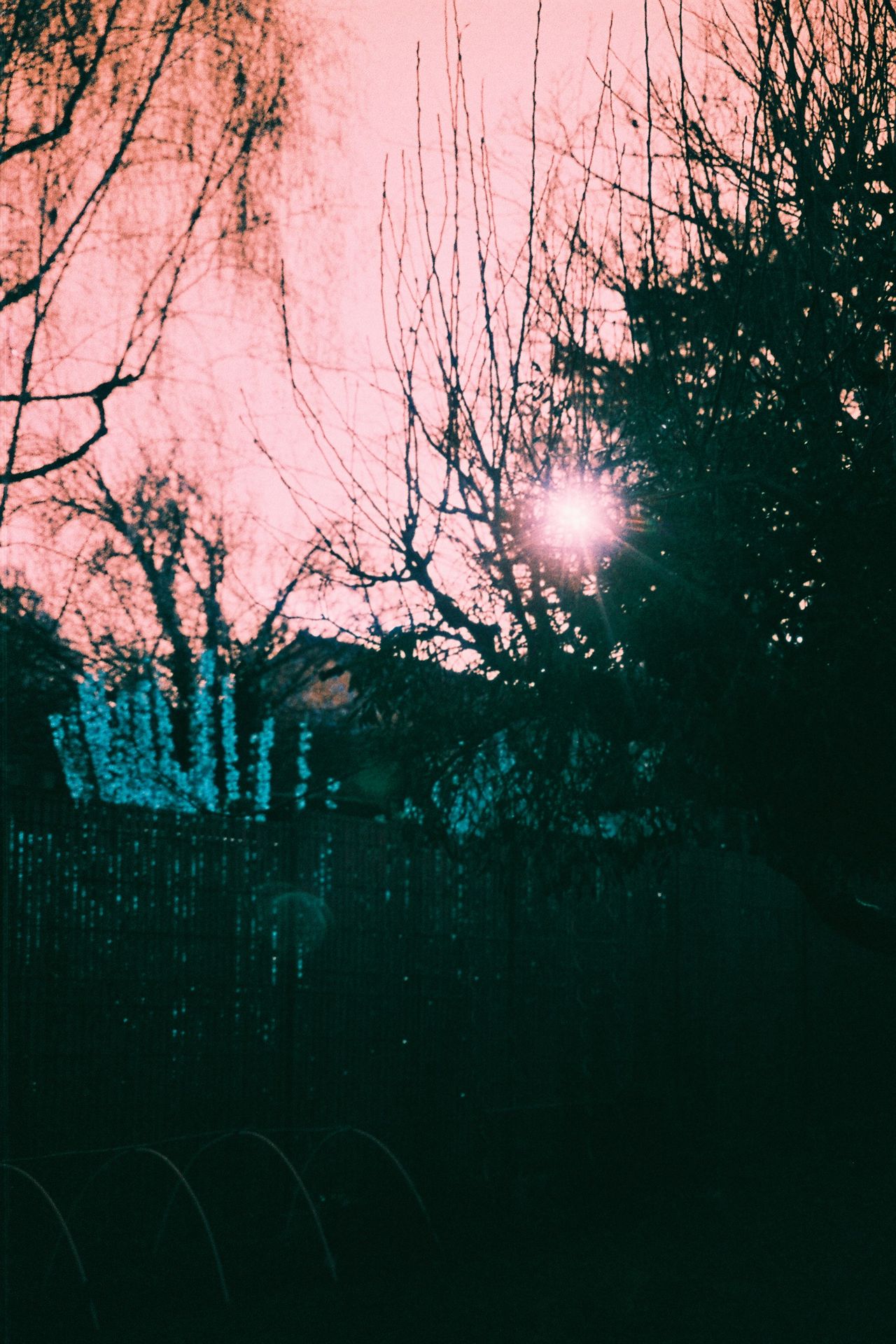
👉 According to the tests, even classic scenes can produce surreal renderings, with orange skies or blue skin tones.
Rendered image: between chaos and creativity
🎨 Colours
All the tests are unanimous:
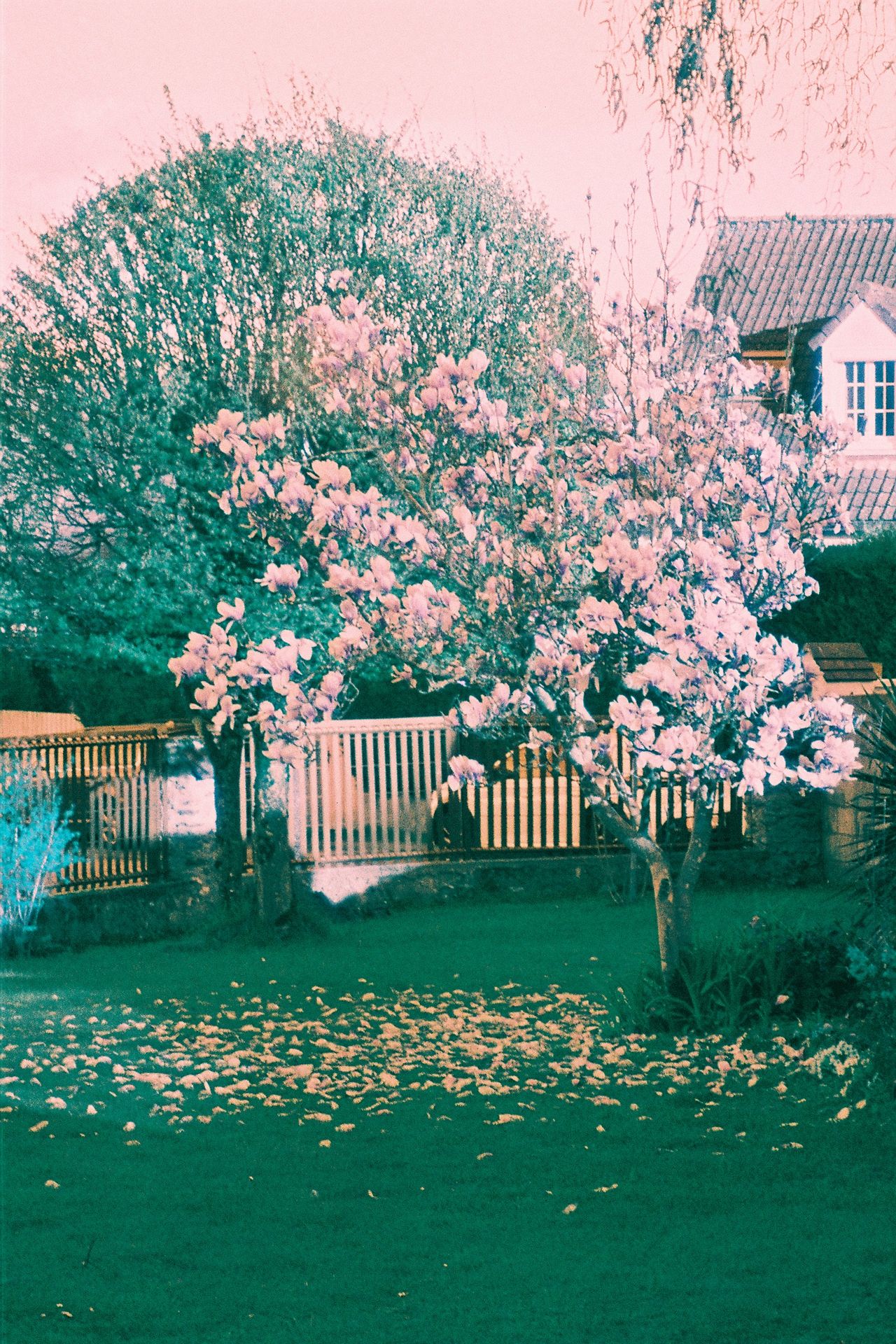
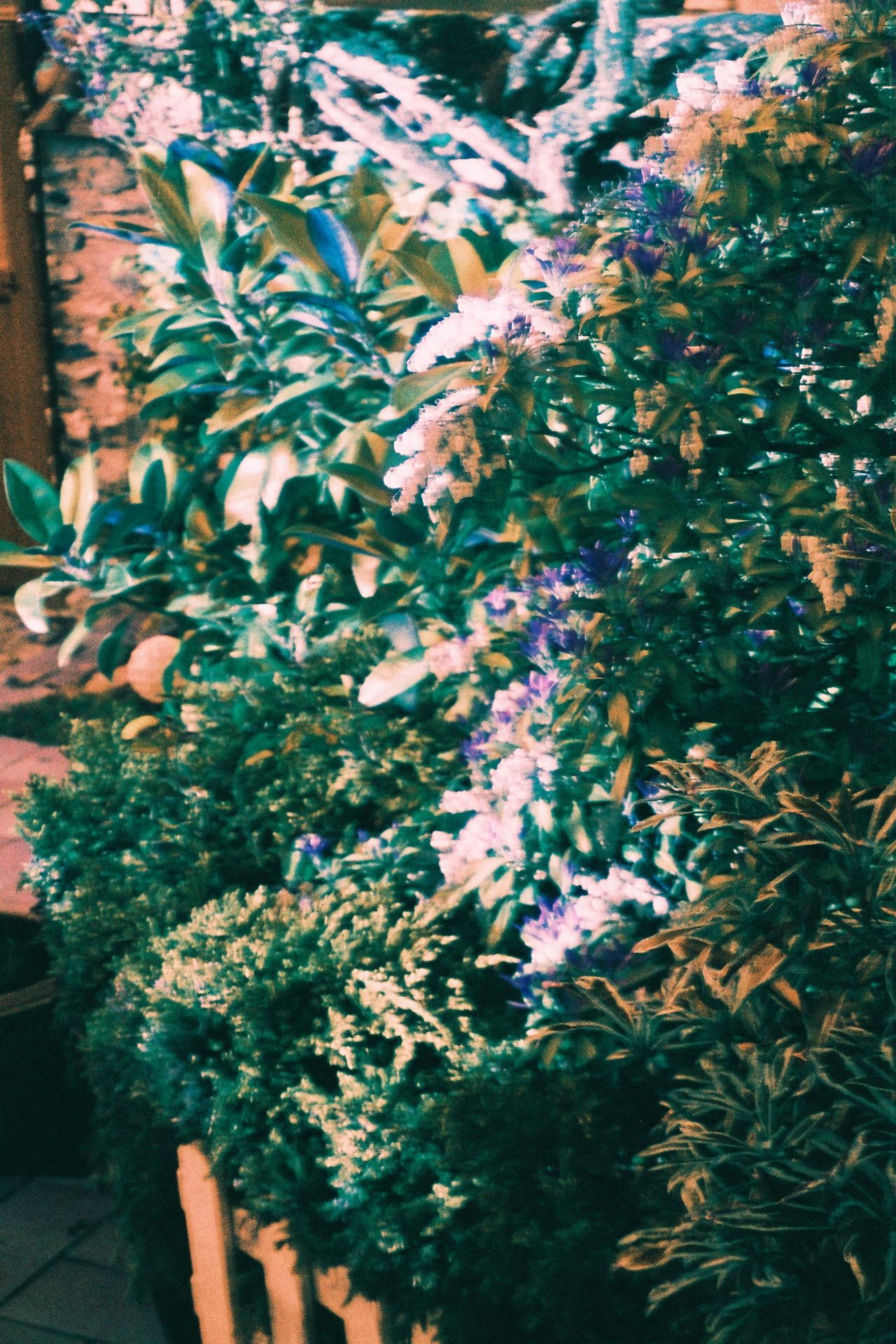
👉 the outcome is extremely unpredictable
A single scene can produce very different results
The shades vary greatly depending on the exposure and the scan
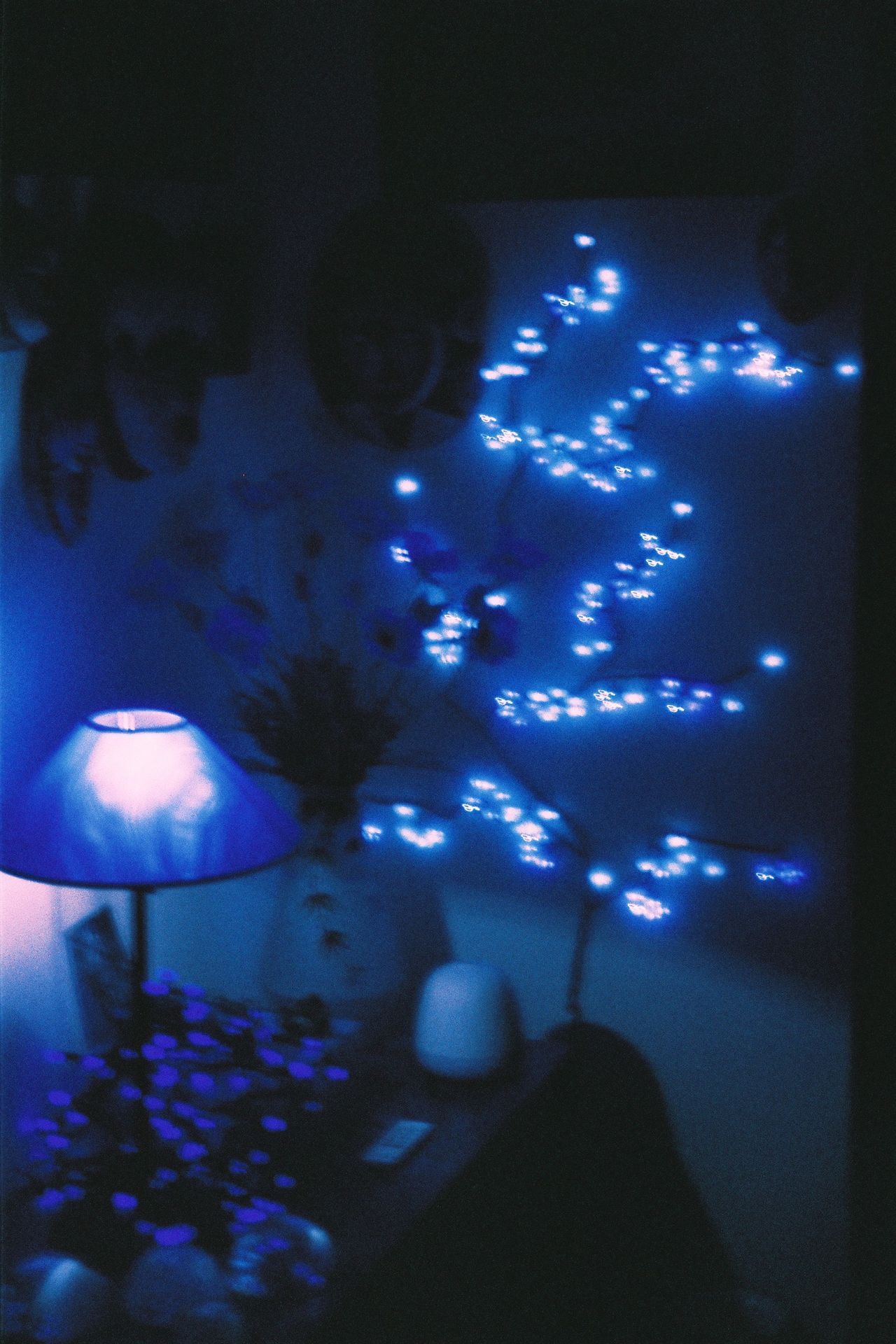
The rendering can range from subtle to completely psychedelic
Some photographers describe the film as “unpredictable but fun”, highlighting its unique creative potential.
🌾 Grain
Despite its experimental nature, the film remains technically sound:
Rather fine grain for an ISO 125
Visible but controlled texture
This allows for a certain quality of image to be maintained despite the extreme colours.
📸 Influence of the scan
A very interesting point noted in several tests:
👉 the scanner used strongly influences the final output
Fuji scanner → more saturated colours
Noritsu scanner → rendered softer or different
This means that the final result depends as much on the scan as on the shot.
Conditions of shooting
The film is optimised for:
🌤️ Daylight
📍 Urban or creative scenes
🎭 Artistic photography
Harman recommends using it at its nominal sensitivity (ISO 125) and strongly advises against push/pull.
Nice surprise: some tests show that it can add character even to dull or cloudy scenes, transforming flat light into a cinematic atmosphere.
The limits of the Harman Switch Azure
This film will not be suitable for everyone:
❌ Unrealistic rendering (impossible for client work)
❌ Skin tones often blue
❌ Unpredictable results
❌ Not well suited for documentary or commercial photography
As a review summarises: this film is “not for professional accuracy, but a lot of fun”.
For what type of photographer?
✔ Creative and experimental photographers
✔ Amateurs of lomographic or artistic rendering
✔ Personal / editorial projects
✔ Alternative street photography or stylised landscapes
👉 On the contrary, it is not recommended for classic portraiture or professional work.
Conclusion: a fun but radical film
The Harman Switch Azure is not a conventional film — and that is exactly its appeal.
It is a film:
🎨 Creative
🎲 Unpredictable
🎭 Artistic
But also:
❗ Unrealistic
❗ Clivant
👉 If you are looking for a film that is true to reality, look elsewhere.
👉 On the other hand, if you want to experiment and produce unique images, Azure is a true source of inspiration.
Try the film Harman Switsh Azure