
Kodak Ektar 100 Film Test: The Color Benchmark for Exceptional Sharpness
Kodak Ektar 100 is often presented as the finest-grained and most detailed color film in the consumer range. Designed to deliver high saturation and ultra-fine grain, it has become a reference for photographers seeking precise and vibrant rendering.
In this article, we test Kodak Ektar 100: characteristics, rendering, ideal use cases, and limitations.
Overview of Kodak Ektar 100
Released by Eastman Kodak, Kodak Ektar 100 is a professional daylight-balanced color negative film. It was designed to offer the saturation of slide films while retaining the exposure latitude of a color negative.
Key characteristics :
- 🎞️ Color negative film (C-41)
- 📸 Sensitivity: ISO 100
- 🌞 Daylight balanced
- 🔬 Ultra-fine grain
- 🎨 Highly saturated colors
- 📷 High sharpness
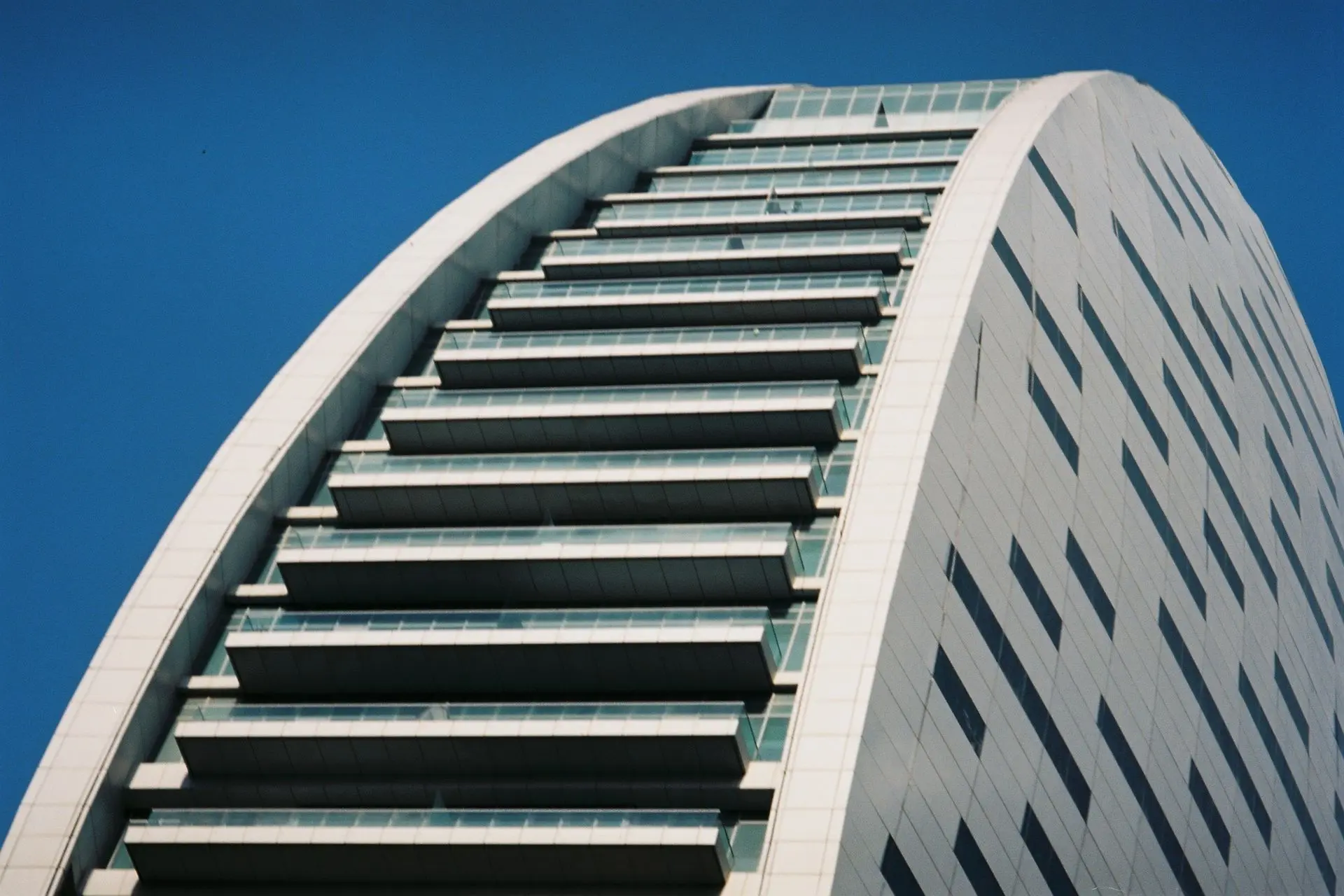
Color Rendering: Saturation and Precision
A vivid and dynamic palette
Kodak Ektar 100 is renowned for its rich, intense colors.
- Deep, vibrant reds
- Saturated blues
- Brilliant greens
- Slightly enhanced warm tones
👉 This rendering recalls the look of slide films while remaining more exposure-tolerant.
Skin tones: a point to watch
Skin tones can sometimes appear slightly red or magenta, especially in warm light. For this reason, it is less commonly chosen for close-up portrait work.
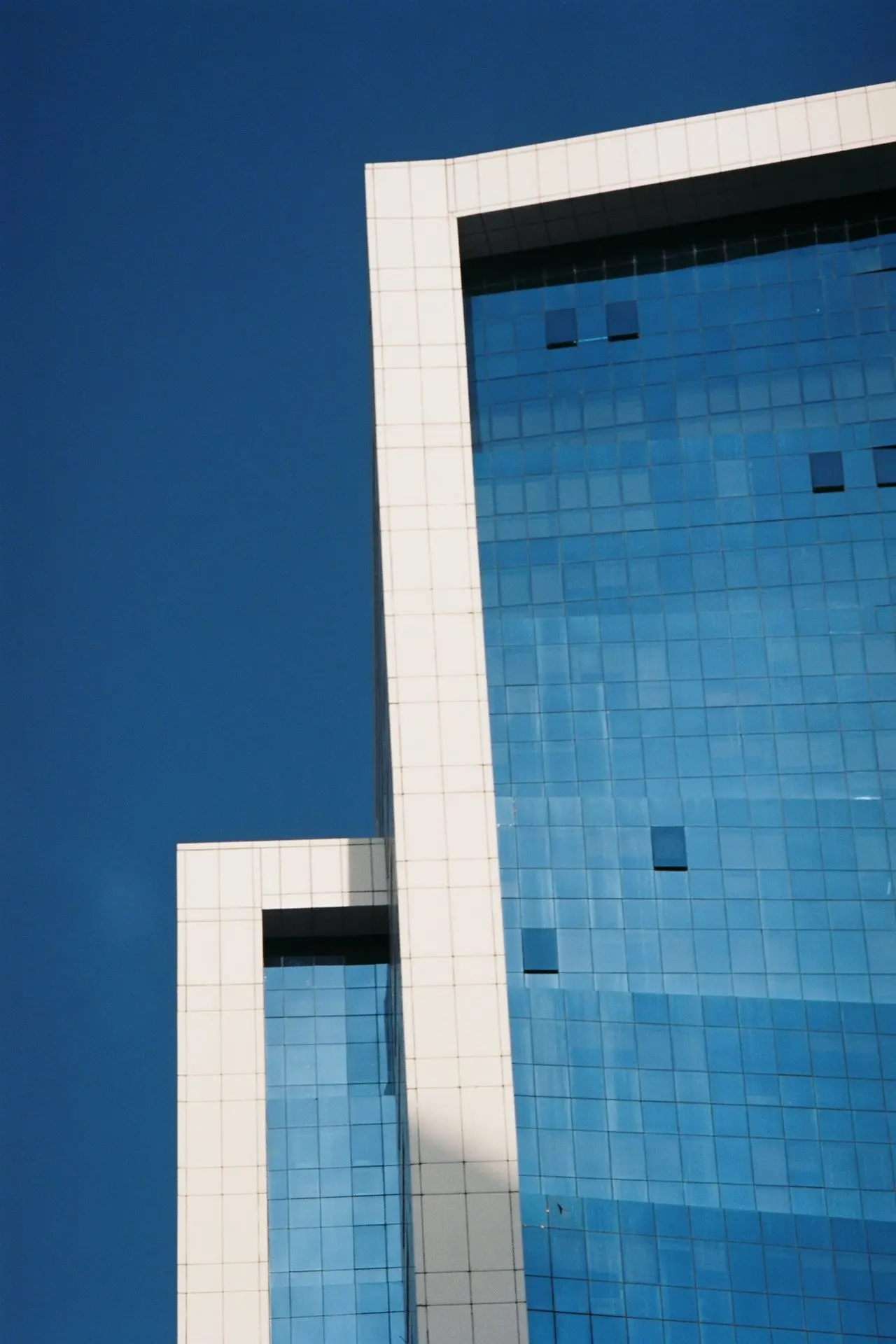
Grain and Sharpness: Remarkable Detail
One of the major strengths of Kodak Ektar 100 is its extremely fine grain.
- Ideal for large prints
- Perfect for high-resolution scanning
- Very clean rendering
👉 For demanding photographers, it is one of the color films offering the highest level of detail.

Contrast and Dynamic Range
- Moderate to high contrast
- Deep blacks
- Excellent color separation
- Crisp highlights
The contrast enhances visual impact, particularly in landscape photography.

Exposure Latitude: Precise Yet Forgiving
Although more demanding than films like Gold or Portra, Ektar 100 remains a color negative with some tolerance.
Exposure tips :
- Shoot at ISO 100 for accurate rendering
- Slight overexposure (+1 stop) can soften contrast
- Avoid underexposure to preserve color integrity

Ideal Situations for Ektar 100
Landscape photography
This is where it truly excels :
- Saturated skies
- Fine details
- Spectacular colors
Travel photography
Perfect for capturing scenes rich in color and texture.
Architecture
Its sharpness enhances lines and structural details.
Nature and macro
Flowers, textures, and insects benefit from its saturation and fine grain.
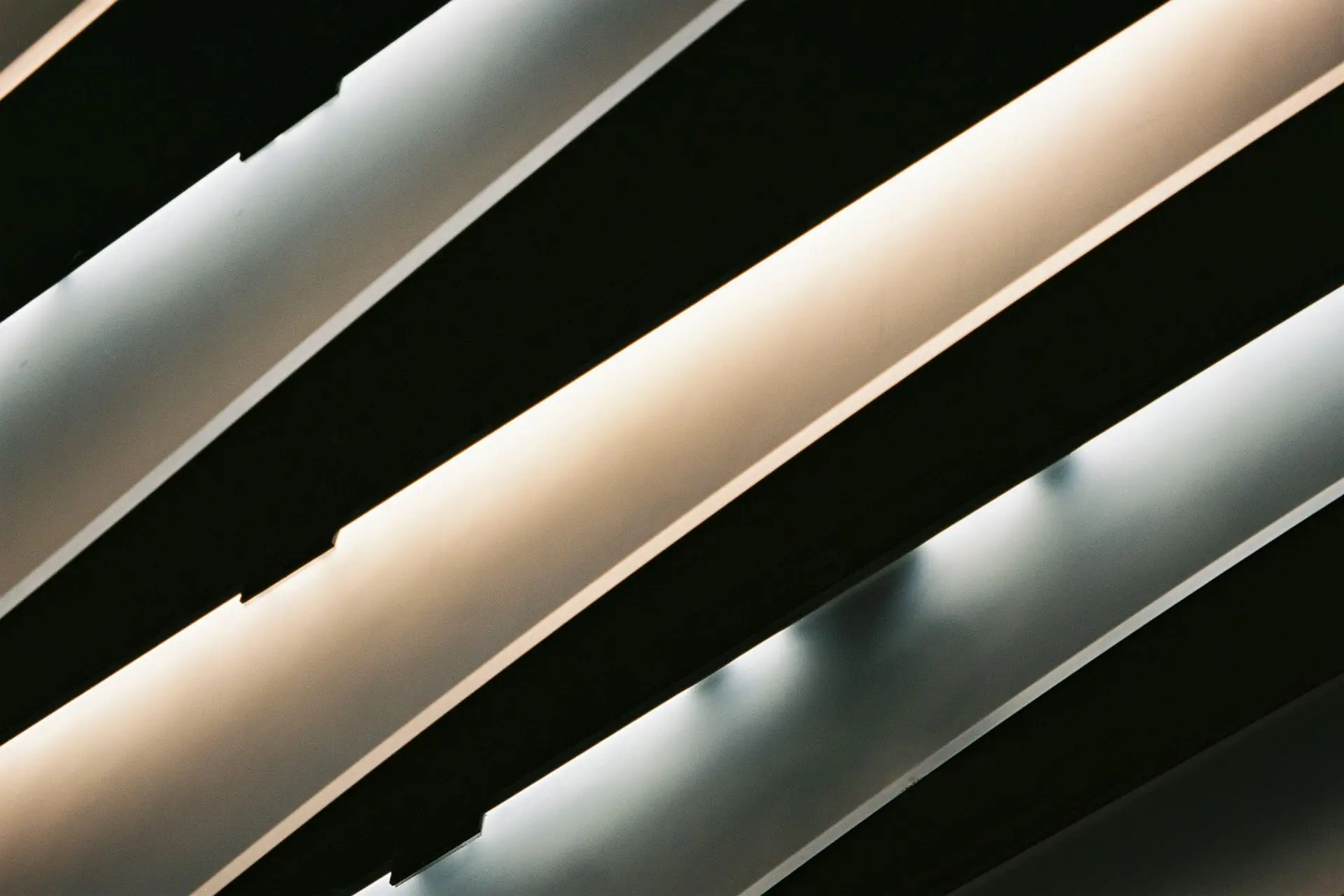


When to Avoid Ektar 100?
- Portraits in warm light (skin tones may appear too red)
- Low-light situations (ISO 100 limitation)
- Projects seeking a soft or pastel rendering
Quick Comparison with Other Color Films
| Film | Rendering | Grain | Main Use |
| Ektar 100 | Saturated & contrasty | Ultra-fine | Landscape, travel |
| Gold 200 | Warm & vintage | Moderate | Everyday use |
| Portra 160 | Soft & natural | Very fine | Portrait |
Who Is Kodak Ektar 100 For?
This film is ideal for:
- Landscape photographers
- Lovers of vivid colors
- Photographers demanding high sharpness
- High-resolution scanning users

Verdict: Should You Try Ektar 100?
Kodak Ektar 100 is an impressive film in terms of precision and saturation. It is aimed at photographers who want striking, detailed images with an almost slide-film look.
Strengths :
✔ Ultra-fine grain
✔ Rich, saturated colors
✔ xceptional sharpness
✔ Ideal for landscapes and large prints
Points to consider :
✖ Less flattering for skin tones
✖ Limited sensitivity in low light
✖ Contrast can be pronounced

Conclusion
Kodak Ektar 100 is a must-try for analog photographers seeking precision and spectacular colors. While it may not be the most versatile film, it excels in situations where tonal richness and fine detail make all the difference.
🎞️ With Ektar 100, every image becomes a showcase of color and sharpness — an ideal choice for elevating landscapes and richly textured scenes.