
The Fuji Velvia 100 is a cult slide film among landscape and nature photographers. It is known for itsintense colours, itssaturated reds and greensand anextremely fine grain. This ISO 100 film offers an ideal compromise between image quality and ease of use, for vibrant images that catch the eye from the very first slide.
Why choose the Fuji Velvia 100
The Fuji Velvia 100 is a reference for landscape and nature photographers seekingspectacular colours right from the shot. As a slide film, it delivers intense images without the need for digital post-processing, which explains its popularity for decades among both professionals and enthusiasts.
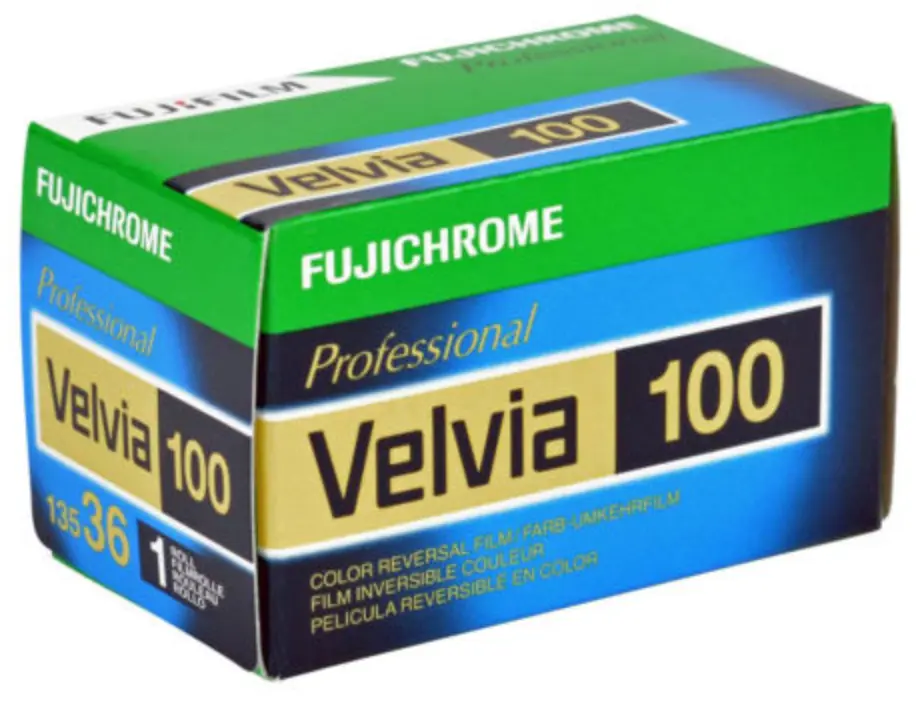
Itssaturated reds and greenshave become a signature, mentioned by great names in landscape photography like Galen Rowell. This film is capable of transforming a sunrise or foliage into a vibrant and dense scene.
Itsultra-fine grainallows for very clean enlargements and an exceptional level of detail, ideal for macro or large prints. With its ISO 100, it offers a good compromise: image sharpness and handling in natural light.
In what conditions does it really shine?
The Fuji Velvia 100 delivers spectacular results in strong natural light, making it a cult choice for landscape photography. Many mountain and nature photographers (e.g. Michael Fatali, Galen Rowell) have used it to capture scenes where colours are a subject in their own right.
It excels at sunrise and sunset. The warm tones become deep and vibrant, and the natural contrast of the scene is magnified without digital processing.
It is particularly recommended for subjects where saturation and detail accuracy matter: landscapes, flower macros, dense foliage, marine scenes.
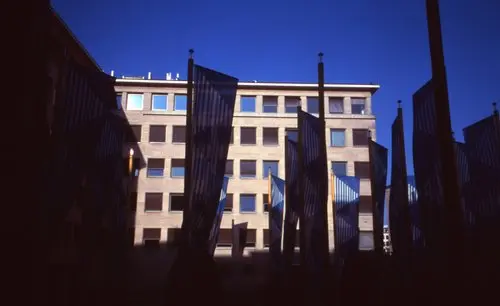
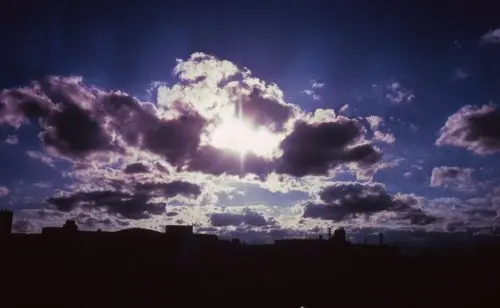
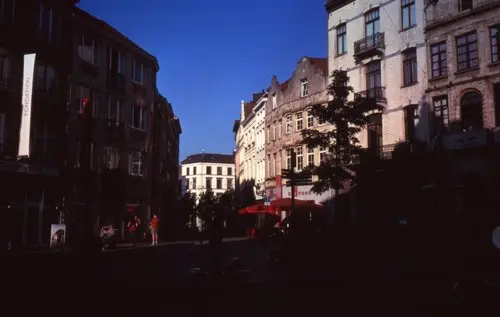
Conversely, it is less suited to high-contrast situations or unpredictable lighting. Its narrow exposure latitude requires working in stable conditions to fully exploit its potential.

What you need to know before using it
The Fuji Velvia 100 is a demanding film that does not forgive exposure errors. Experienced nature photographers (e.g. those mentioned inOutdoor Photographer) stress the essential accuracy: underexposure blocks shadows, while overexposure erases highlight details. The use of an external light meter or the camera's spot mode is highly recommended.
It requires E-6 processing, which necessitates a specialised lab. User feedback on forums likePhotrioor35mmcconfirms that good processing is key to preserving the richness of colours and avoiding shifts.
Velvia 100 performs best in stable light. Changing conditions (variable sky, moving shadows) make exposure more delicate and increase the risk of an unbalanced result.
| Key point | Why it’s important | Practical advice |
|---|---|---|
| Low exposure latitude | Little margin for error, discrepancies are noticeable | Accurate measurement with a light meter or spot meter |
| E-6 development | Requires a suitable lab | Choose a lab recognised for slides |
| Stable light recommended | Changing light = risk of incorrect exposure | Photograph in predictable conditions |
| Visible underexposure/overexposure | The rendering degrades quickly | Pay attention to exposure from the moment of shooting |
Tips to get the best out of it
Slightly underexposing, around -1/3 EV, is a common practice among landscape photographers using Velvia 100. This densifies the colours without losing detail in the highlights.
Working with a tripod ensures maximum sharpness and helps with composition, especially when the light begins to fade.
The golden hour is the ideal time to get the best from this film: warm tones are enhanced, and scenes gain depth and richness.
It is essential to choose your E-6 lab carefully. Proper processing ensures the unique palette of Velvia 100 is preserved and avoids colour shifts that can occur with careless development.
Quick comparison: Velvia 100 vs other slides / vivid films
| Film | Colour rendering | Saturation | Exposure latitude | Grain | Development |
|---|---|---|---|---|---|
| Velvia 100 | Warm, very vivid, intense reds and greens | Very high | Low | Ultra-fine | E-6 |
| Velvia 50 | Even more saturated, very warm | Extreme | Very low | Ultra-fine | E-6 |
| Provia 100F | Neutral, more balanced | Moderate | Medium | Ultra-fine | E-6 |
| Kodak Ektachrome | Cooler, more natural | Medium | Medium | Fine | E-6 |
Velvia 100 stands out for its warm and highly saturated rendering, while being more manageable than Velvia 50 due to a slightly more comfortable latitude. Compared to Provia 100F or Ektachrome, it offers a more spectacular look, but with stronger constraints on exposure.
Why it remains an icon for landscape photographers
Fuji Velvia 100 is a film that has marked the history of nature and landscape photography. Its ability to render intensecolours, particularly reds and greens, has made it an essential choice for those seeking a spectacular rendering right from the shot.
Many renowned photographers (e.g. Galen Rowell, Art Wolfe) have used it to capture stunning landscapes without resorting to digital post-processing. Itsultra-fine grainand high contrast make Velvia 100 a benchmark for large format prints and slide projection.
This film remains iconic as it offers an inimitable rendering: images that strike at first glance, with a palette and depth unique to slides, impossible to perfectly reproduce in digital.