Doing street photography with film
A slow, instinctive and profoundly human practice
In the digital age and the era of instant gratification, analog street photography stands out as a counterpoint. Photographing the street with film means accepting chance, blur, and waiting. It also means reconnecting with a more intimate relationship to the city, to passersby, and to the lived moment.
Analog street photography does not seek technical perfection. It prioritizes observation, intuition, and presence.
📸 Why choose film for street photography?
Doing street photography with film is above all about choosing slowness. Every shot counts. The number of exposures is limited. The result is only visible later, after the film has been developed.
This constraint profoundly transforms photographic practice:
- We observe more
- We anticipate the framing, the lighting, and the gestures.
- We trigger less, but better.
- We accept the unexpected as an integral part of the image
Film photography imposes a form of gentle discipline that reinforces the consistency of vision.
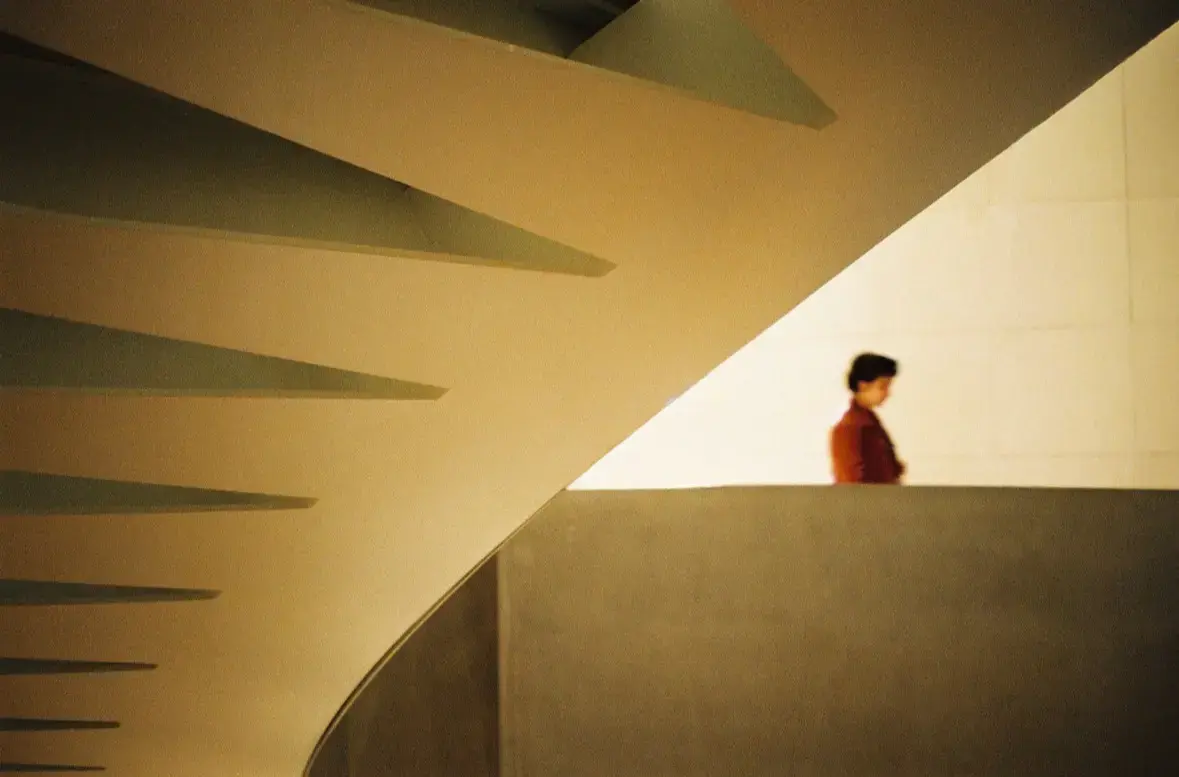
Olympus zoom 140 + Fuji 200
🎞️ The ideal equipment for film street photography
Street photography demands discretion and a light touch. There's no need to use multiple lenses or camera bodies.
Recommended cameras
- Compact or rangefinder 35mm cameras
- Simple, mechanical, reliable devices
- Discreet film cameras to blend into the urban environment
Lens
- 35mm or 50mm: ideal focal lengths for street photography
- Medium aperture for a good balance between sharpness and depth of field
Analog films
- Black and white films for a timeless approach
- Sensitivity up to ISO 400 to adapt to changing light
- Grain becomes a visual language in its own right.
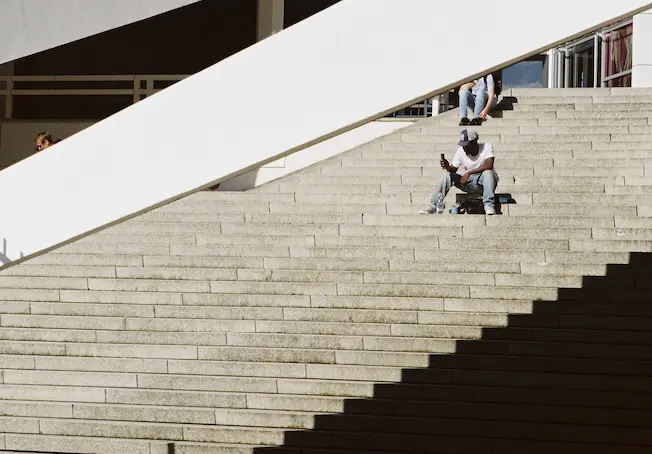
Canon EOS 1000F + Fuji 400
🖤 Black and white: an obvious choice for analog street photography
Black and white film photography is particularly well-suited to street photography. It allows you to move away from color and focus on:
- The shapes
- The contrasts
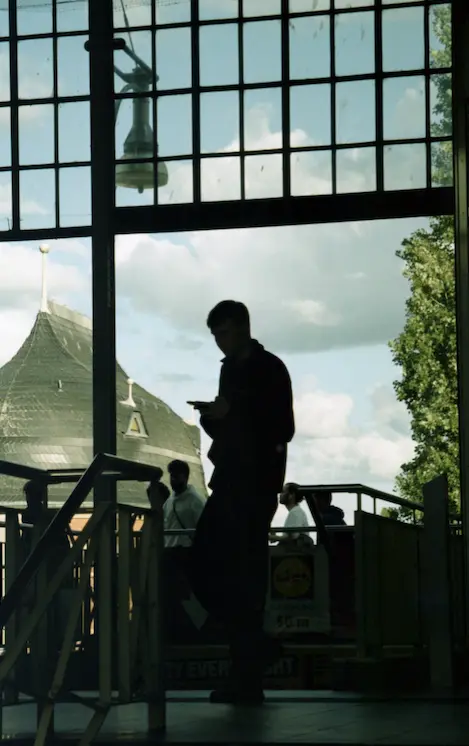
- The silhouettes
- Gestures and expressions
In analog street photography, black and white enhances the graphic and emotional dimension of the image. It transforms the city into photographic material.
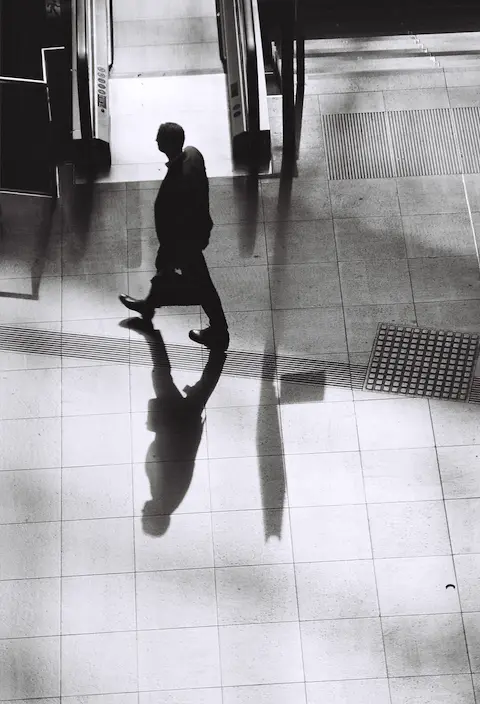
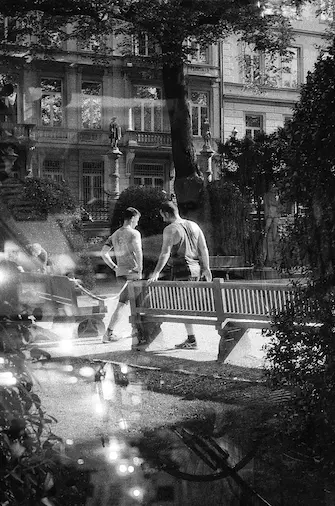
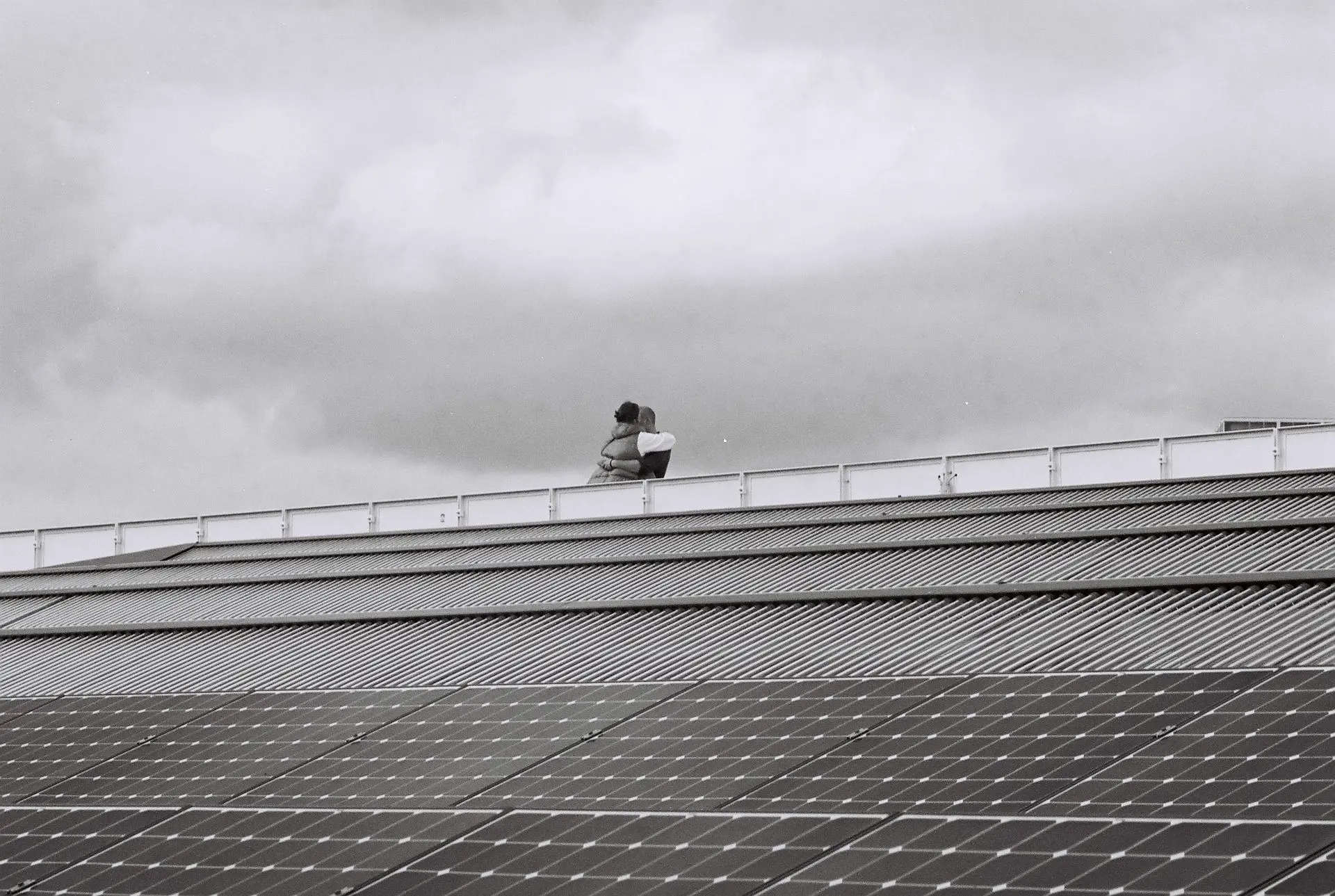
Olympus zoom 140 + Ilford XP2
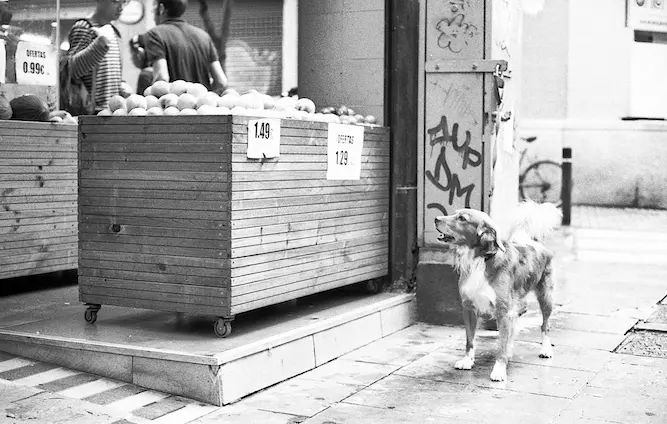
Canon AE-1 + Ilford Delta 400
🚶♀️ Move around, observe, wait
Street photography is not a hunt for spectacular images. It is a practice of attentiveness.
Walking for a long time, returning to the same places, observing the light change.
Street photography using analog cameras requires immersing oneself in the urban space without a very specific intention.
Some essential principles:
- Position yourself in a place, frame your shot, and wait.
- Observe the interactions
- Photographing the ordinary
- Accepting that sometimes there will be no photographs
It is often in these moments of pause that the most accurate images are born.

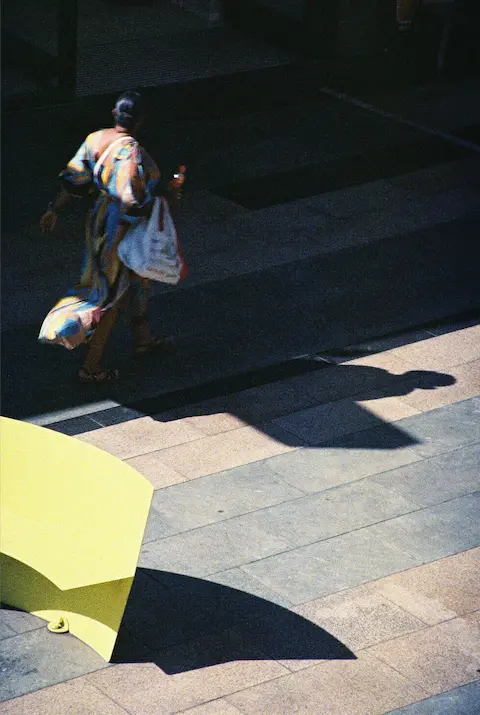
Olympus zoom 140 + Color Zealous 200
🎯 Photographing without controlling everything
One of the strongest aspects of analog street photography is the partial relinquishment of control.
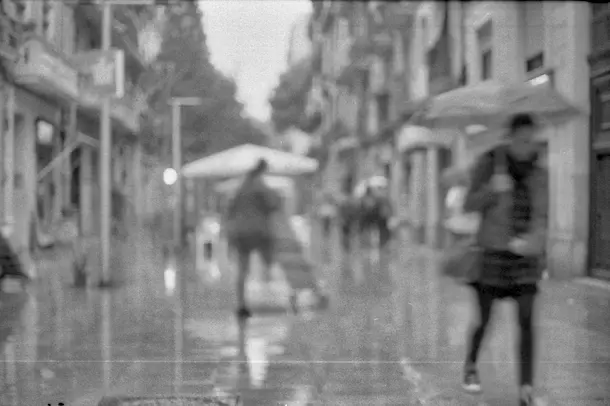
Motion blur, slight overexposure, imperfect framing: these elements contribute to the sincerity of the image.
Analog photography leaves room for chance, error, and surprise.
These visual accidents become a form of photographic writing.
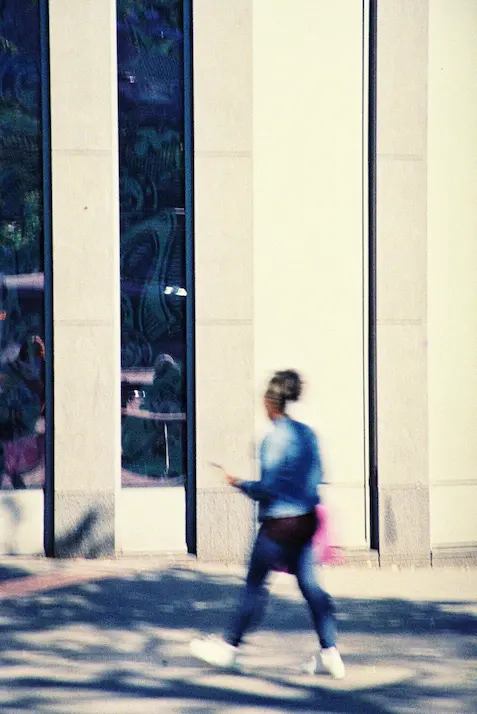
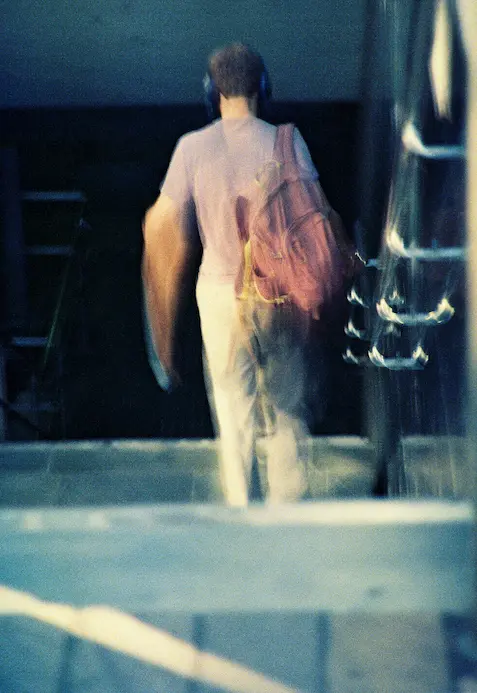
Canon EOS 1000F + Bstill 6
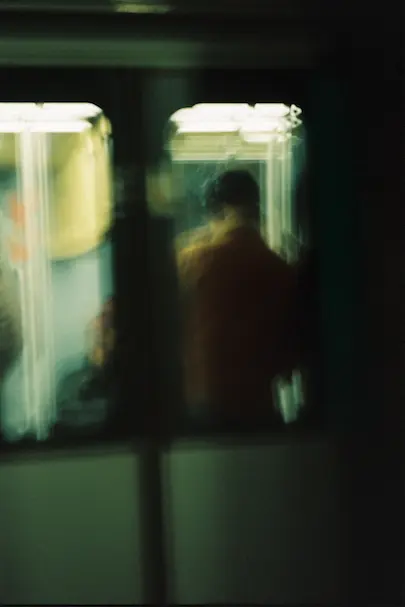
Olympus zoom 140 + Portra 800
🧪 Developing and printing: extending the analog experience
Analog street photography doesn't stop at the shutter release.
Film development, paper selection, and black and white silver gelatin printing are essential steps.
They allow us to reinterpret the image, to strengthen contrasts or to soften nuances.
The print becomes an extension of the gaze directed at the street.
✨ Street photography with film: a sensitive practice
Doing street photography with film means accepting a form of vulnerability.
You never know exactly what you've captured.
But it is precisely this uncertainty that makes the practice so profoundly alive.
Analog street photography is less a quest for images than a way of being in the world, attentive, present, open to the micro-events of everyday life.
In conclusion
Choosing film for street photography means slowing down, looking differently and creating images full of time, matter and emotion.
A demanding practice, but profoundly enriching for anyone wishing to develop a personal photographic style.