
Mr Flash: a disposable device that pleasantly surprised us
We tested a new disposable camera at Baxton: Mr Flash.
And, to be honest, we were curious to see what it had to offer. Disposable cameras have something very appealing: no settings... You take the camera, frame, press the shutter, and discover the result after development.
But simplicity does not necessarily mean an approximate result.
With the Mr Flash, we were particularly charmed by the quality of the result obtained.
A simplicity that feels good
The first strong point of a disposable is obviously its ease of use.
You pick it up immediately. No need to think about the shutter speed, aperture, or focus: the camera does everything for you.
This constraint is ultimately quite liberating. It forces you to look differently, to focus on your subject and framing rather than on technical settings.
This is also what gives all the charm of film photography with a disposable camera: you don't know exactly what you will get until you have developed the film.
And that's often where the pleasant surprises begin.
Particularly appealing colours
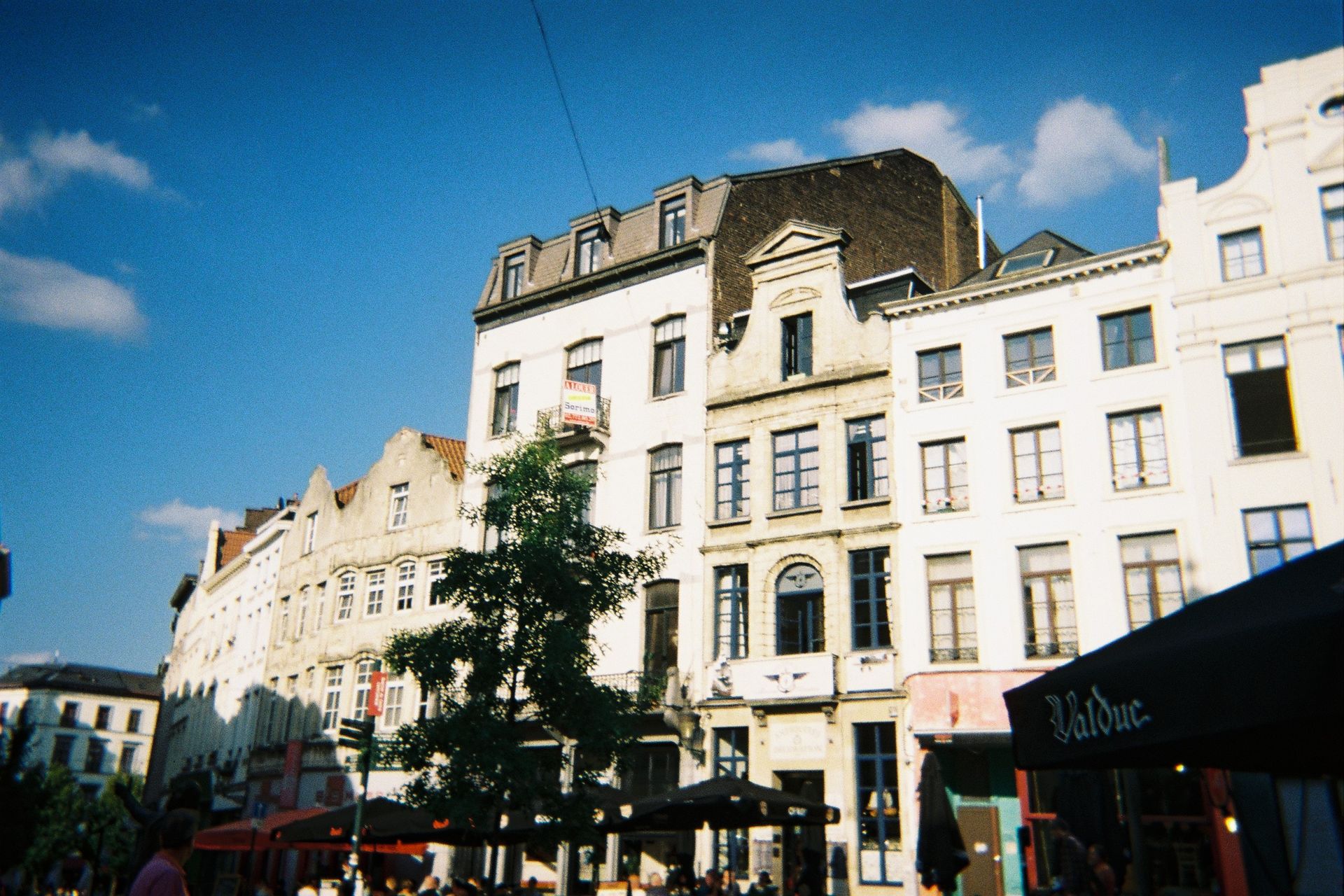
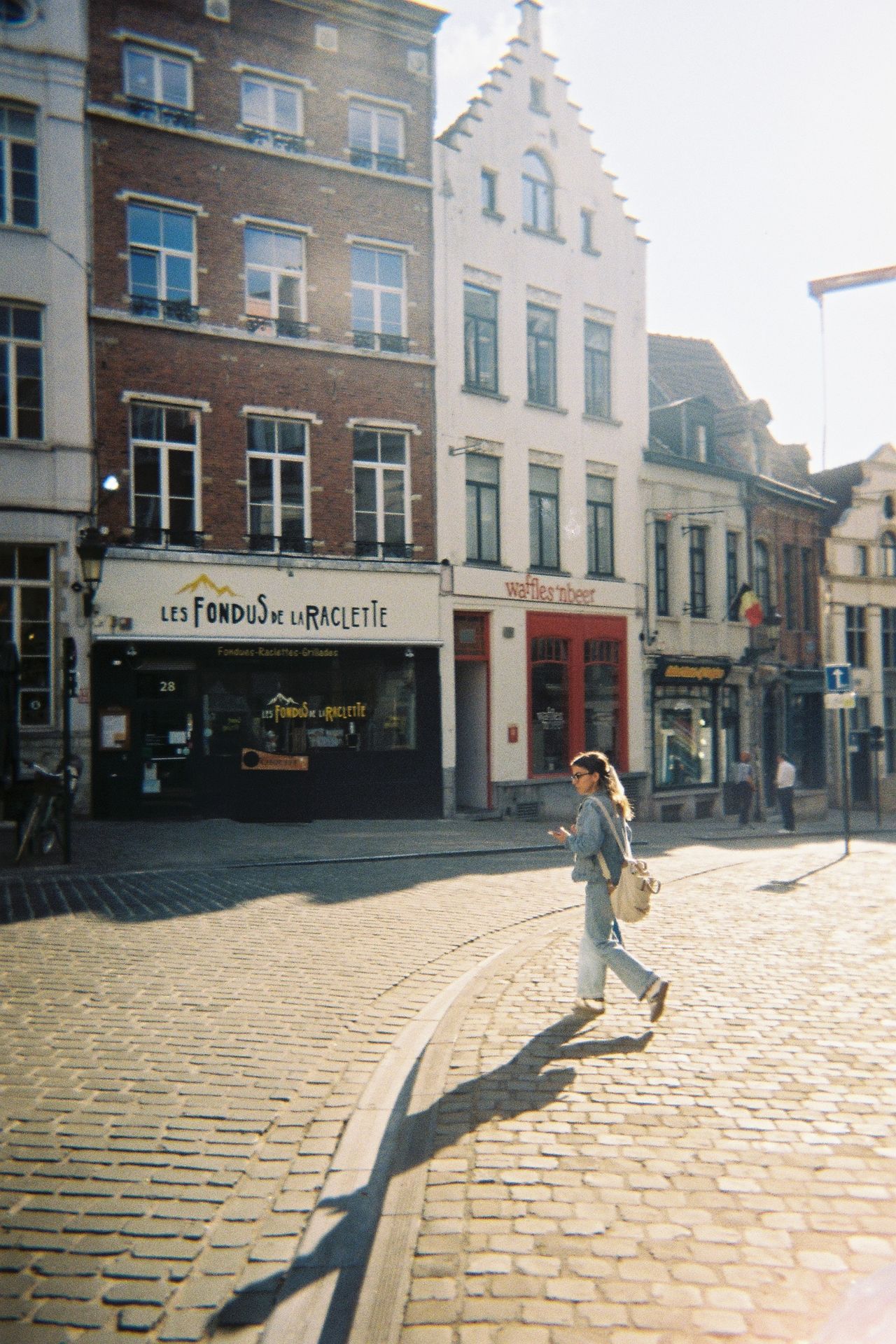
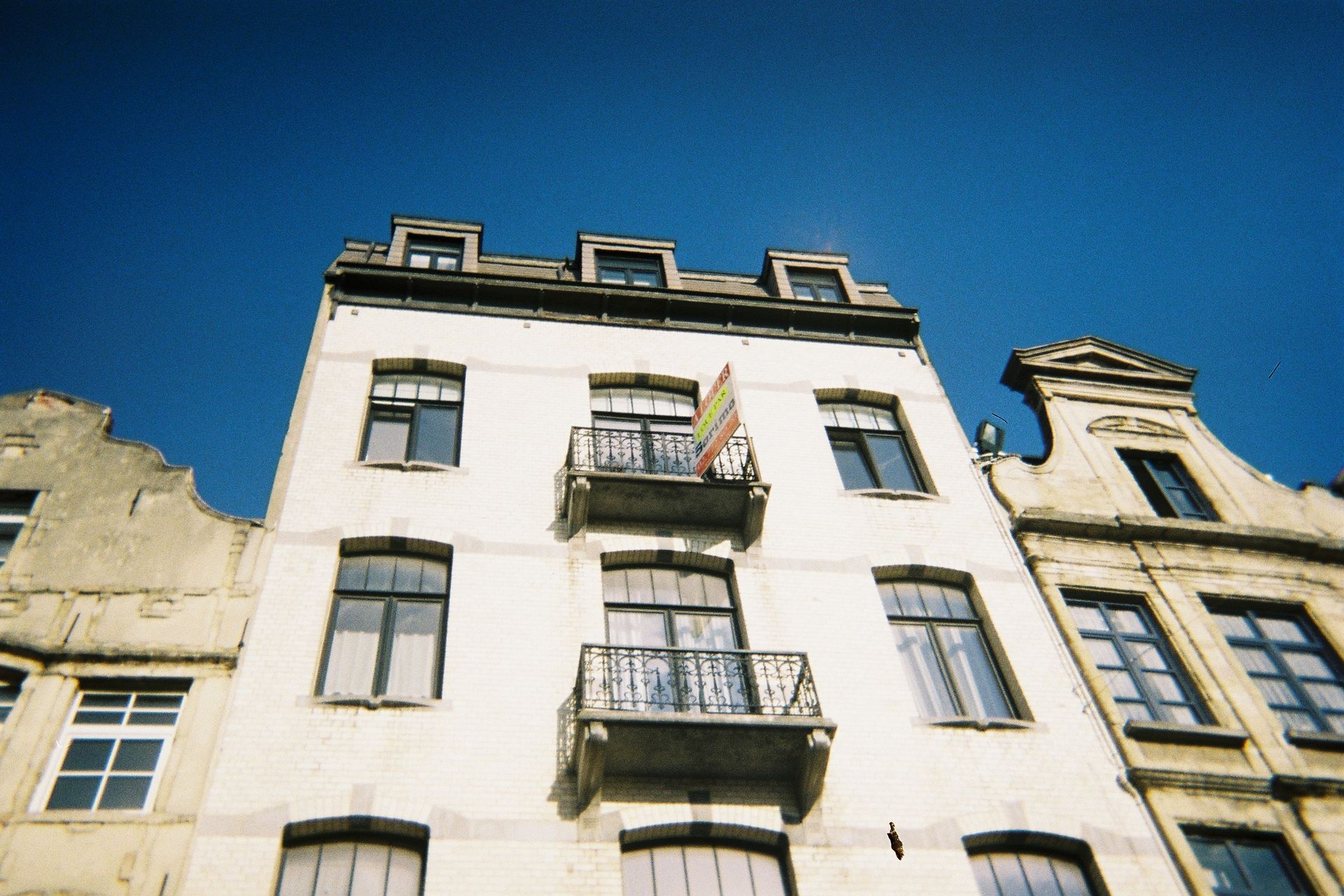
The first thing that struck us when discovering the images was the colour rendering.
The Mr Flash produces vibrant and pleasant colours, particularly with skies of a particularly intense blue.
The rendering remains sufficiently natural so that the images do not give the impression of having been systematically pushed towards excessive saturation.
It is a rendering that works particularly well for landscapes, urban scenes and the .
Depending on the light, the colours can also add a very ‘film-like’ touch to the photographs, with that variation and personality that we appreciate so much with film.
A present grain, but well controlled
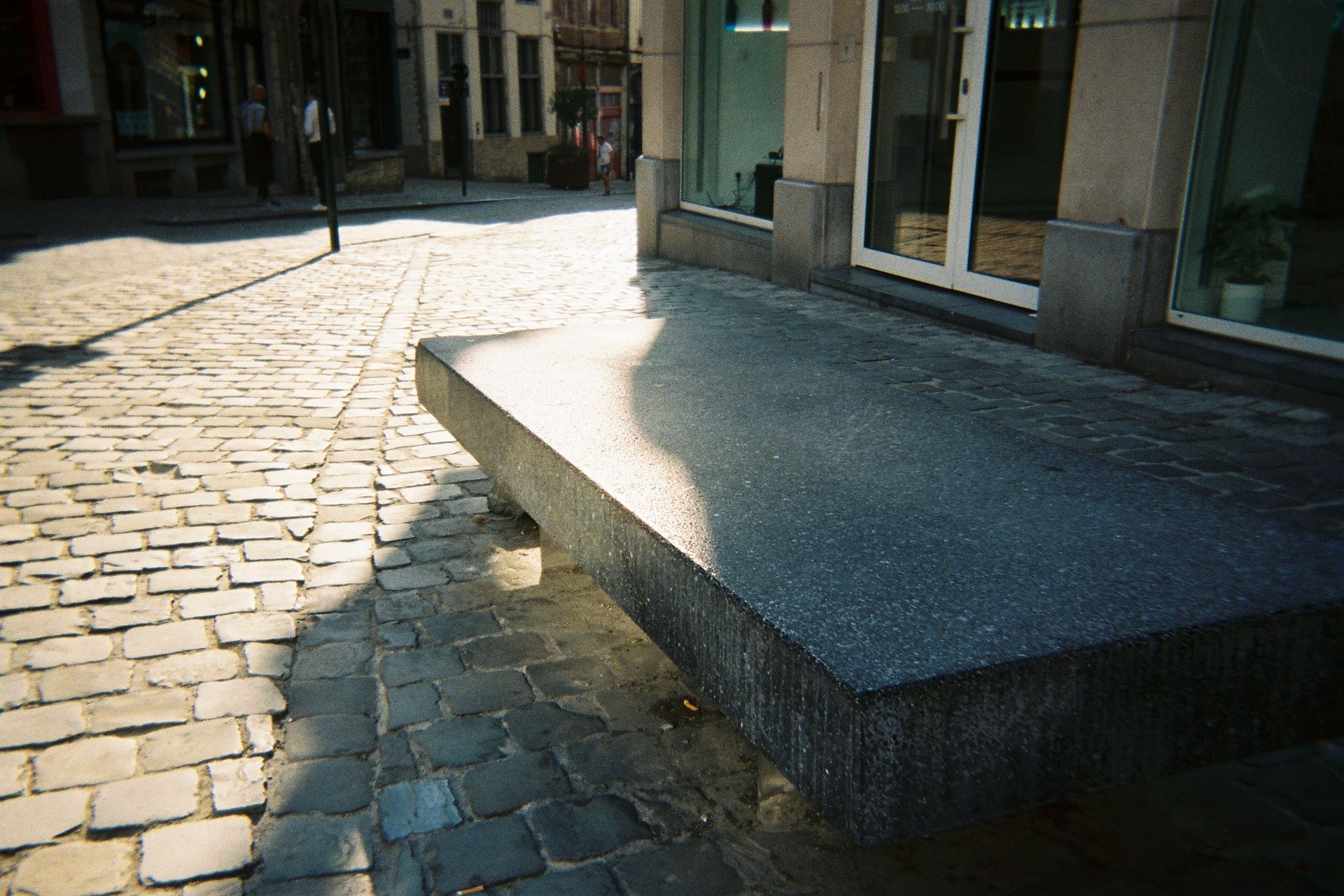
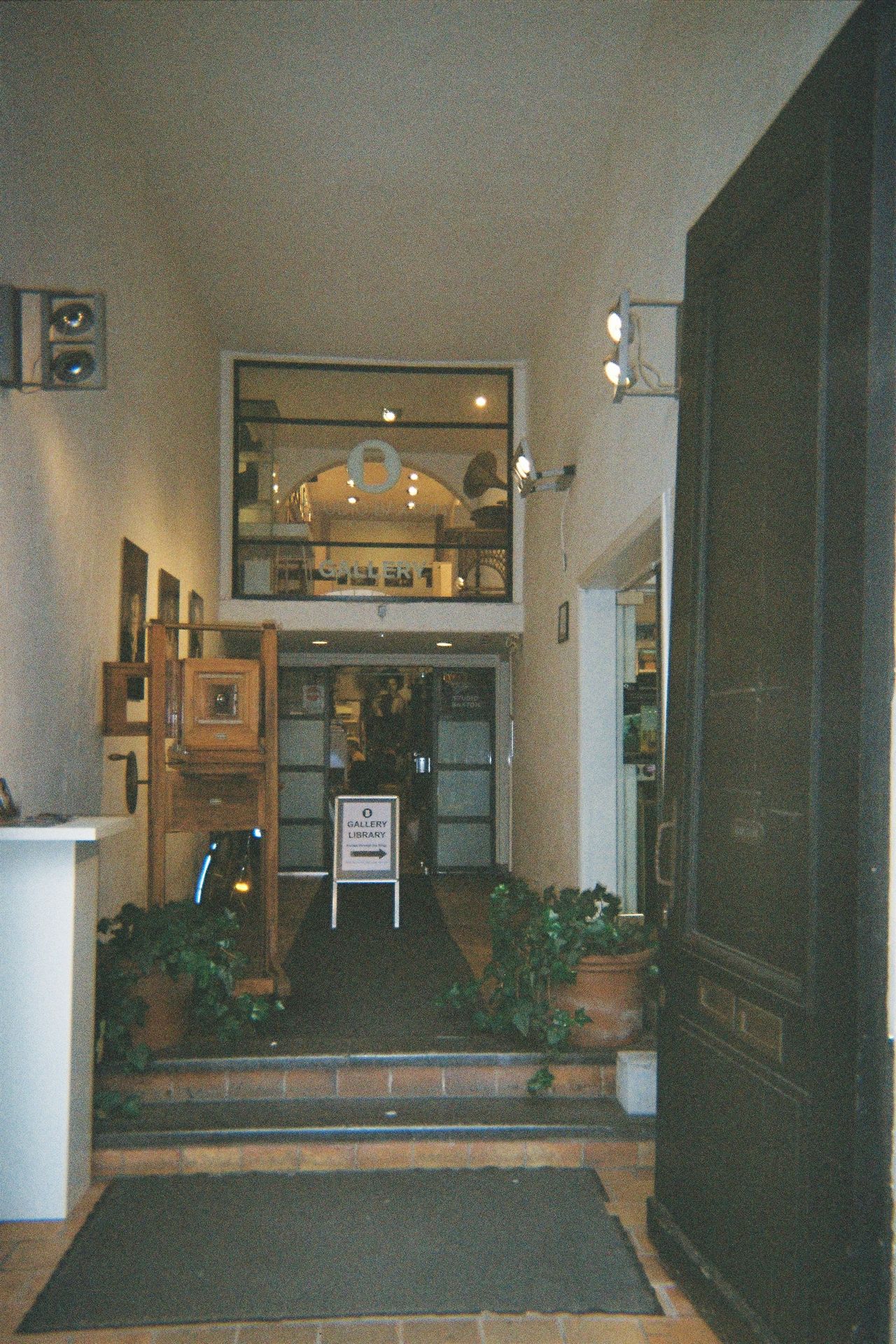
Another pleasant surprise: the grain.
It is indeed present — after all, we are talking about film photography here — but it remains reasonable.
It adds substance to the images without completely overpowering the subject.
This is particularly pleasant on landscapes and scenes with a lot of detail, where the grain helps to give texture to the image without making it too ‘blurry’.
The result therefore retains good readability while keeping that little imperfection characteristic of film.
And for portraits?
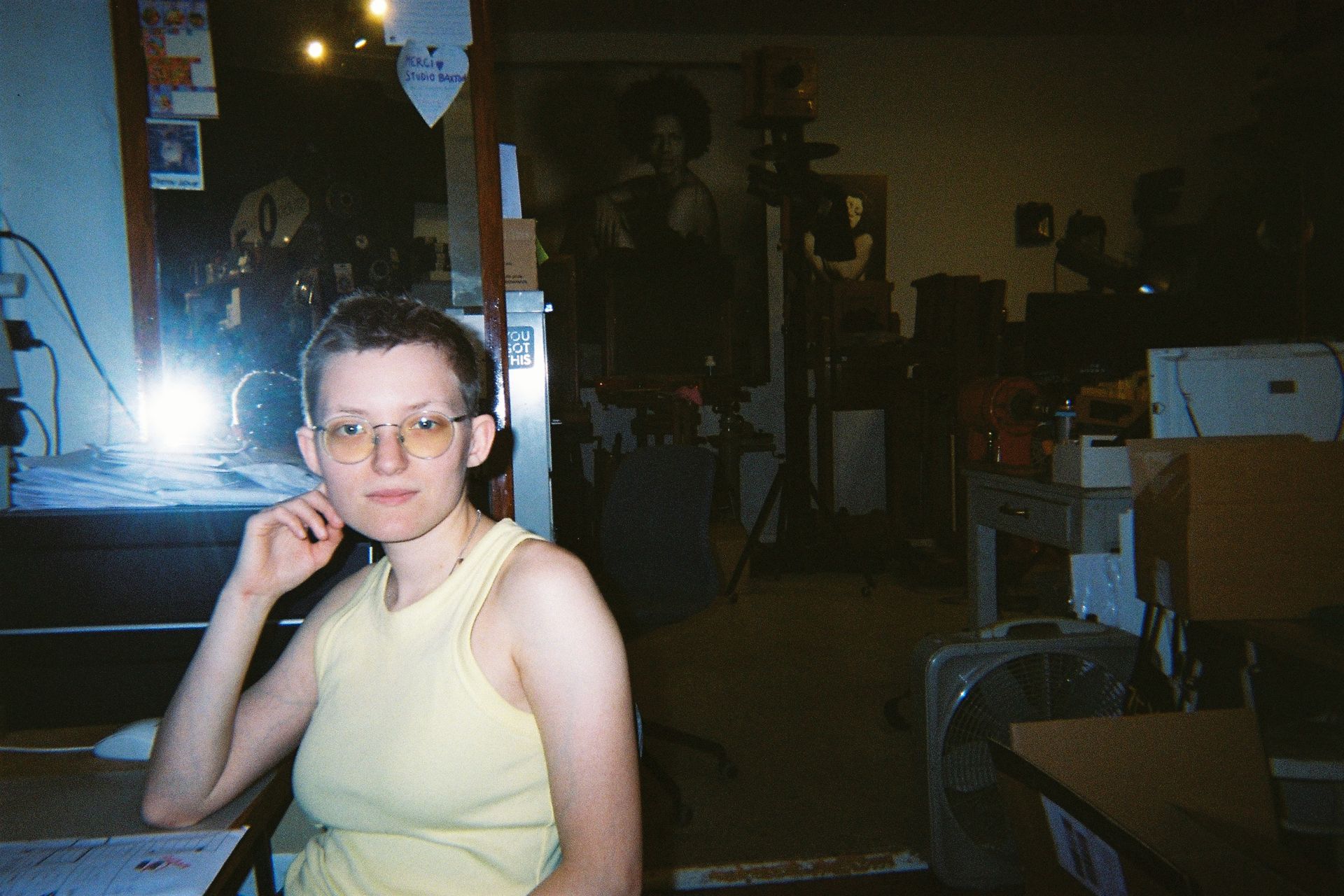
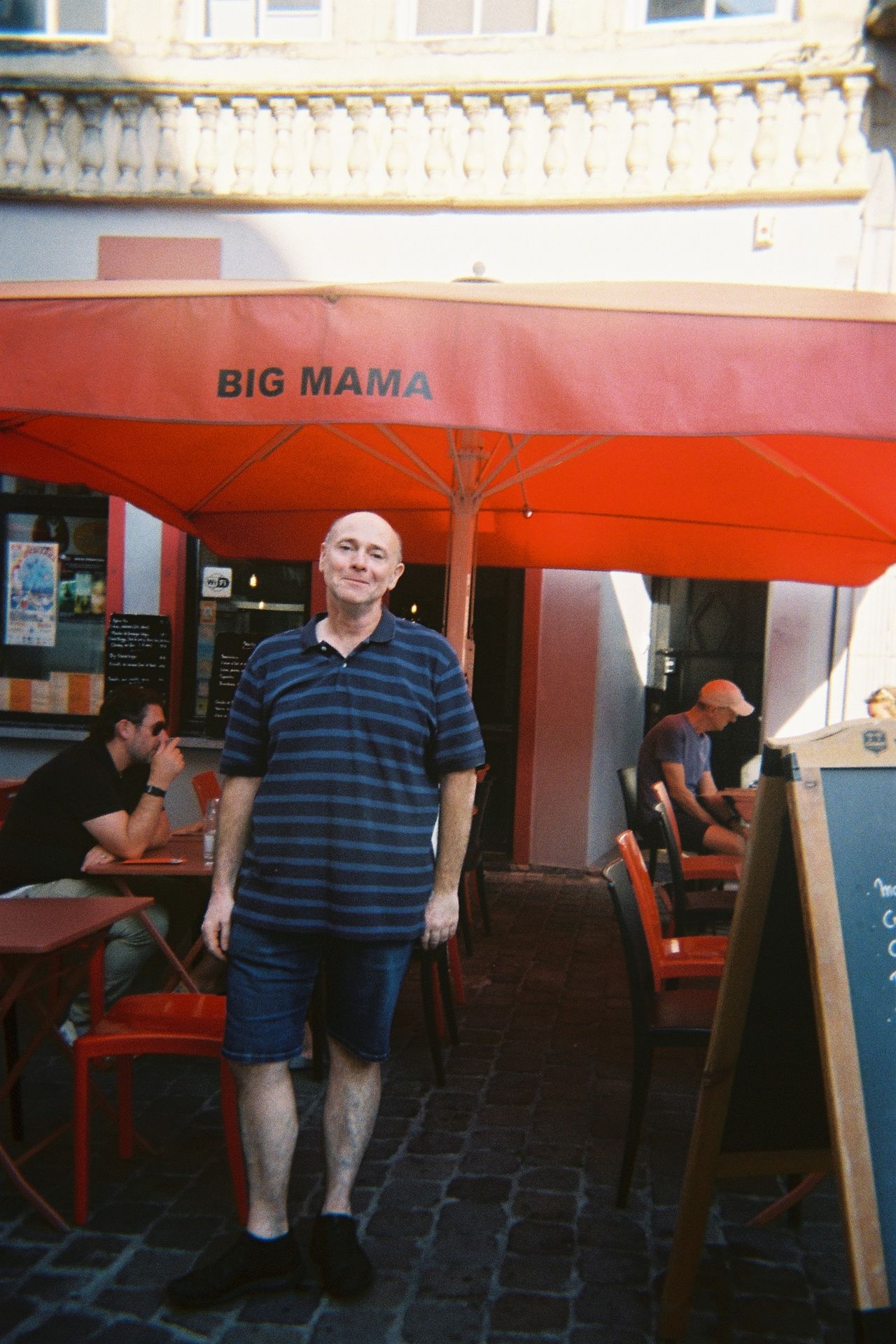
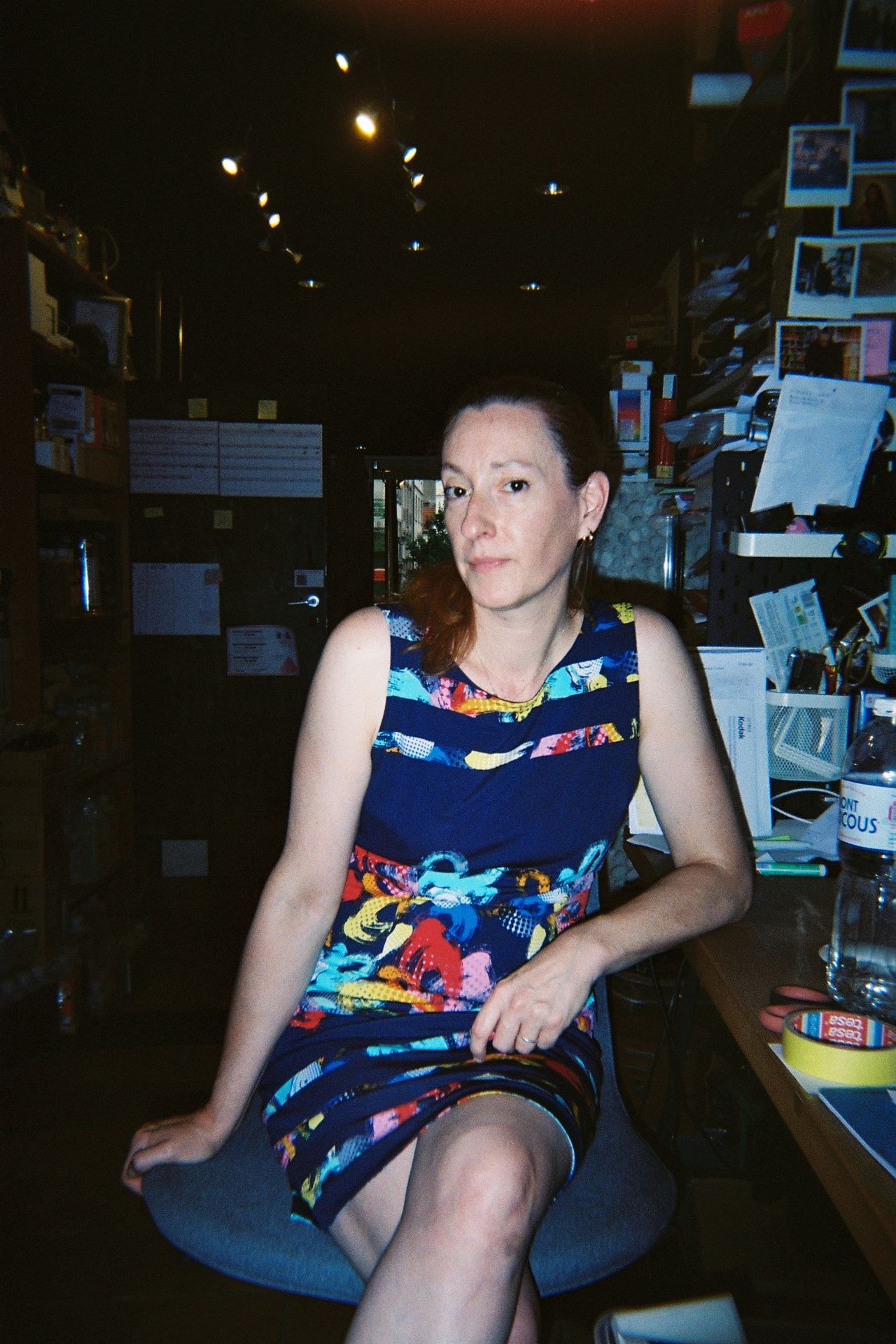
We also tested the Mr Flash outdoors to take some portraits.
And once again, the result is quite convincing.
In natural light, the rendering of faces is pleasant and the colours give the portraits a very spontaneous atmosphere.
It is obviously not a device intended to replace a camera equipped with a portrait lens: one does not have the same control over depth of field, nor the same precision of framing or focusing.
But that is precisely not what we ask of it.
The Mr Flash is rather designed to take spontaneous, simple and lively portraits, with that element of unpredictability that makes disposables charming.

A perfect device to disconnect
This is perhaps what we like most about the Mr Flash.
Today, we are all used to photographing with extremely high-performance devices: instant autofocus, ultra-precise automatic exposure, high-definition screens, dozens of megapixels…
With a disposable camera, all of that disappears.
It simply remains a subject, a light, a framing and a shutter.
And when you retrieve your images a few days later, there is inevitably a little element of surprise.
The Mr Flash excels at this exercise: it remains extremely simple to use while producing images with a true photographic personality.
Our verdict
After this test, the Mr Flash pleasantly surprised us.
If you love film photography but sometimes feel like leaving your usual camera at home, Mr Flash clearly deserves to be tried.
He is not trying to compete with a professional device.
He offers something else: a simple, spontaneous, imperfect and surprising photograph.
And in the end, it might be exactly what we need from time to time.