The f/16 rule: photographing without a light meter
Before modern cameras, photographers estimated exposure by eye. The f/16 rule still allows one to do without a light meter in many situations today.
The principle is simple:
☀️ In good weather, in full sun:
- Set your camera to f/16
- Choose a shutter speed close to the film sensitivity
For example:
- 100 ISO film → 1/125 s at f/16
- 200 ISO film → 1/250 s at f/16
- 400 ISO film → 1/500 s at f/16
This exposure serves as your starting point.
Then, adjust according to the light
☀️ Bright sun → f/16
🌤️ Overcast sun → f/11
🌥️ Bright overcast sky → f/8
☁️ Overcast sky → f/5.6
🌳 Shade or end of the day → f/4
Each time you open the aperture by one stop (from f/16 to f/11 for example), you let in twice as much light.
Why learn it?
- Understanding exposure
- Photographing with cameras without a light meter
- Continuing to photograph even if the battery is dead
- Gaining speed in the field
The f/16 rule is not magic, but it is often surprisingly accurate. With a bit of practice, one can quickly estimate light with a very low margin of error.
A good reason to lift your eyes from your light meter and start observing the light again.
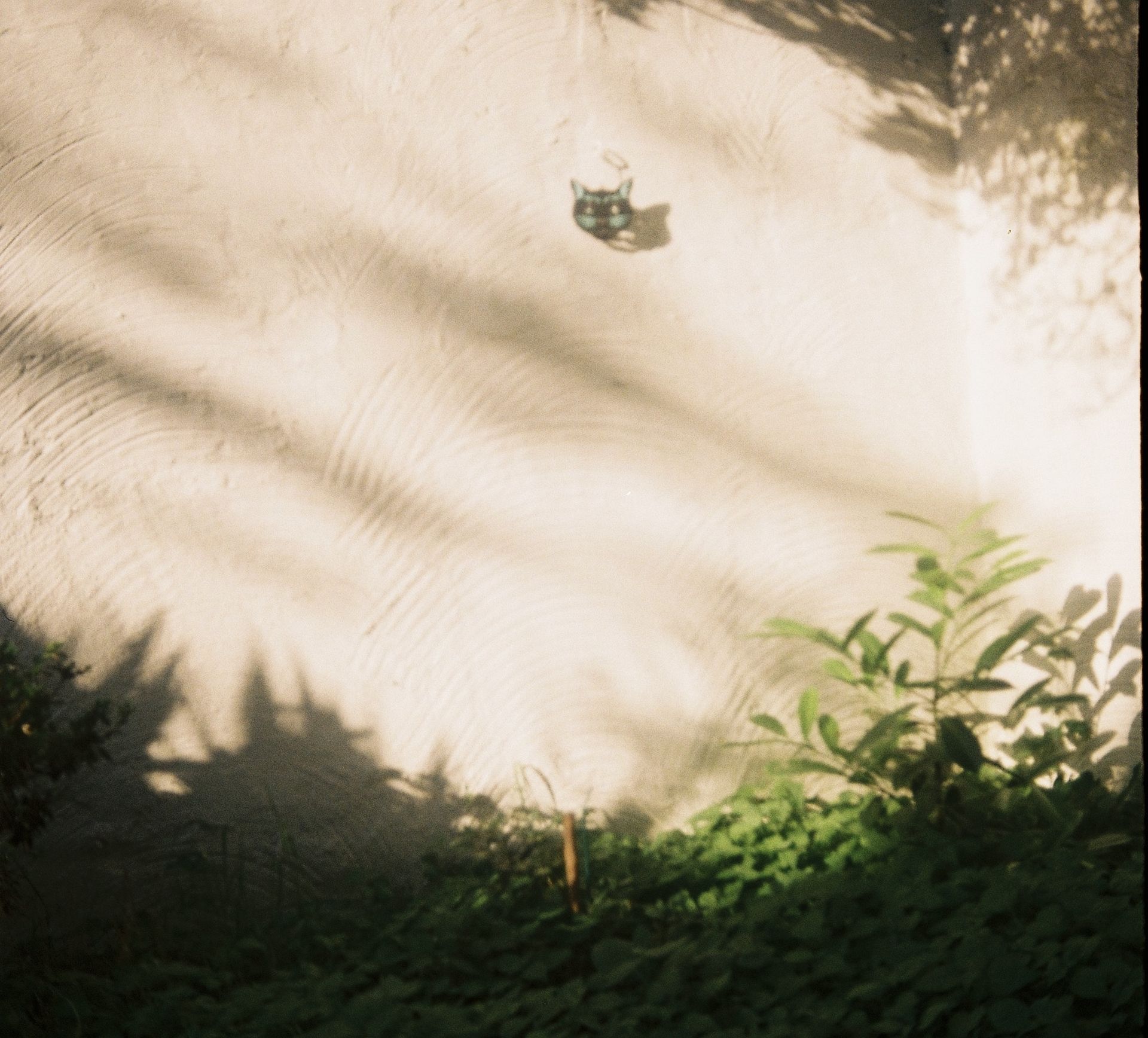
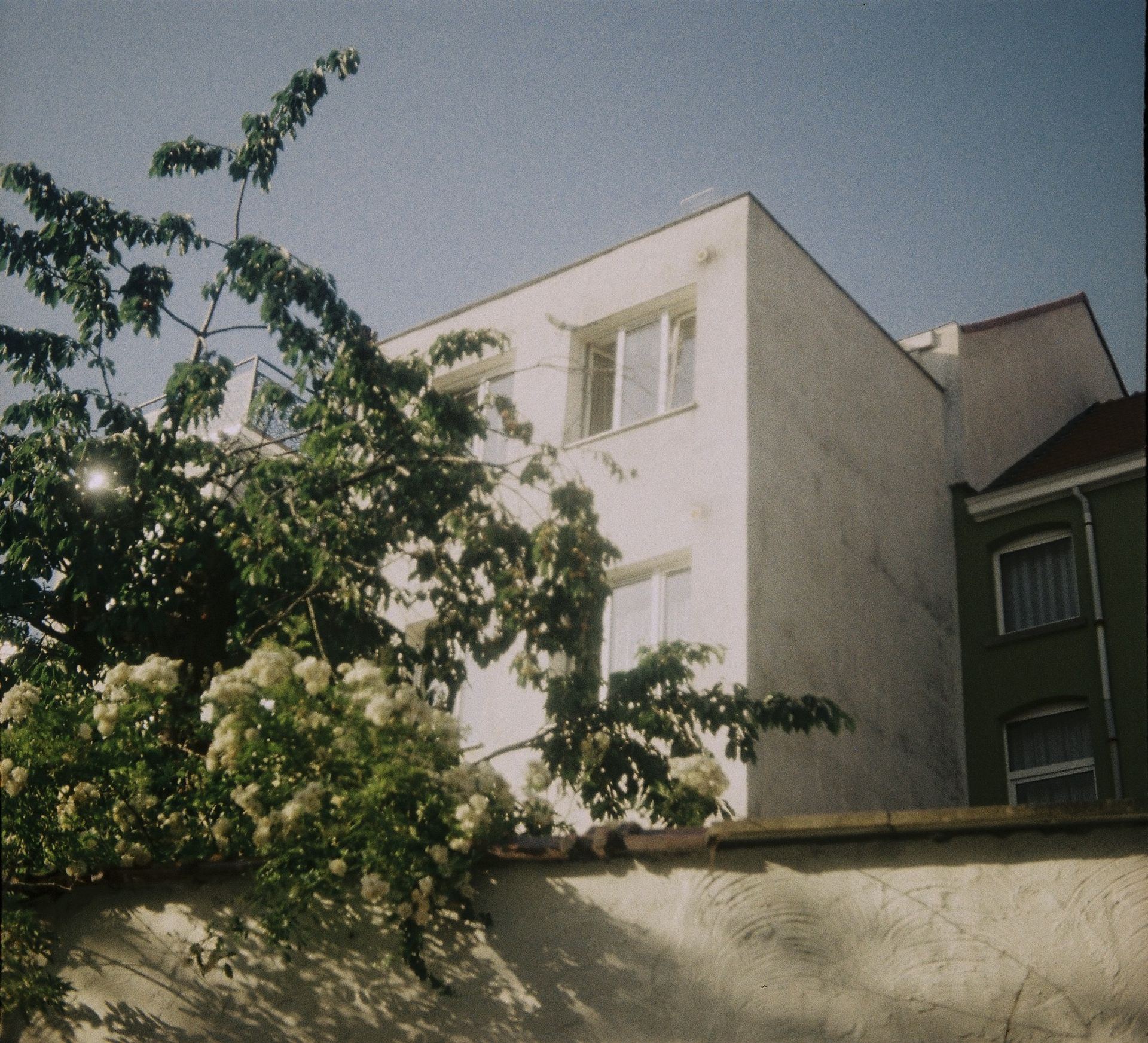
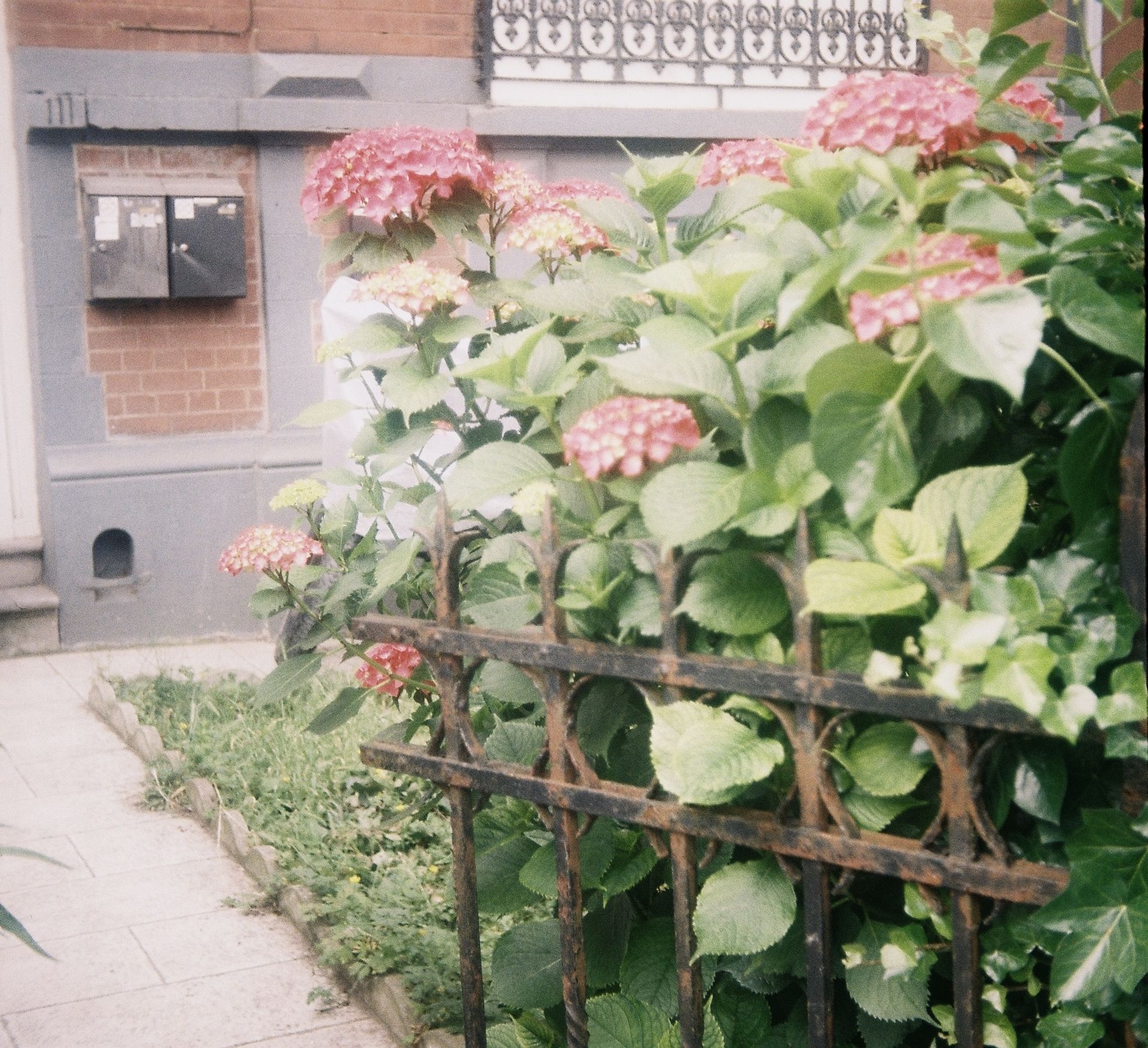
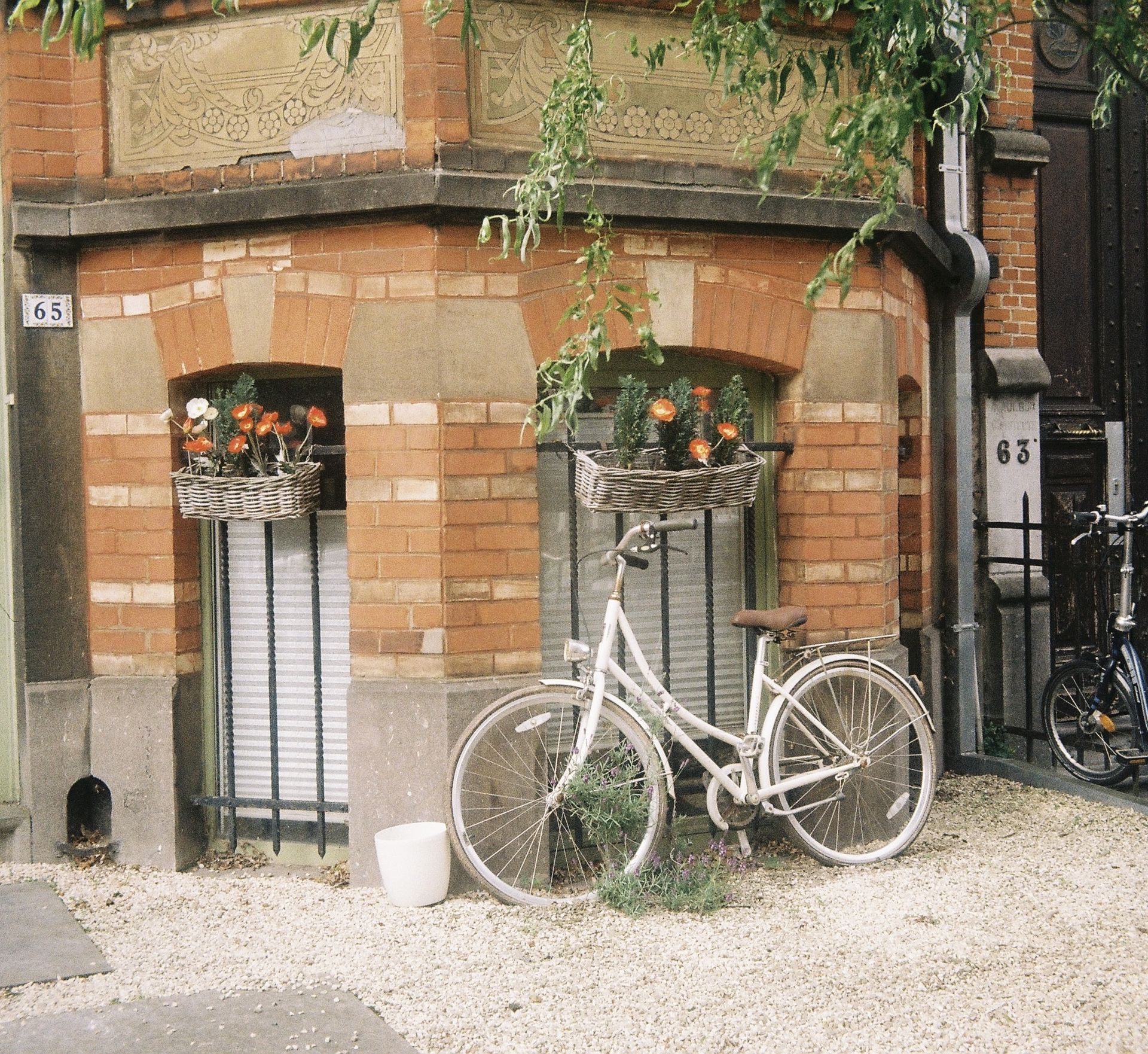
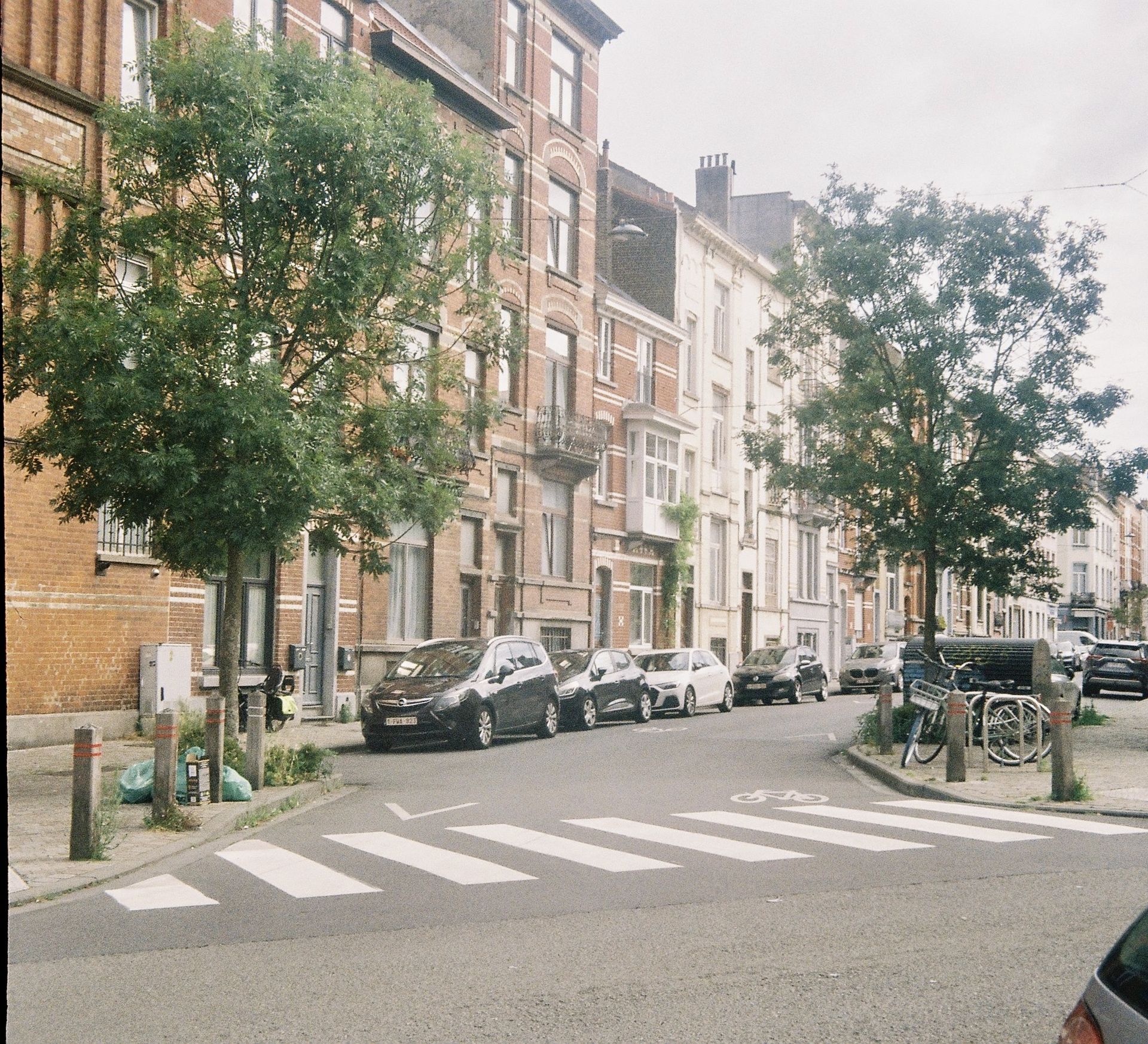
Here are some photos taken with a Photavit camera from 1939 :